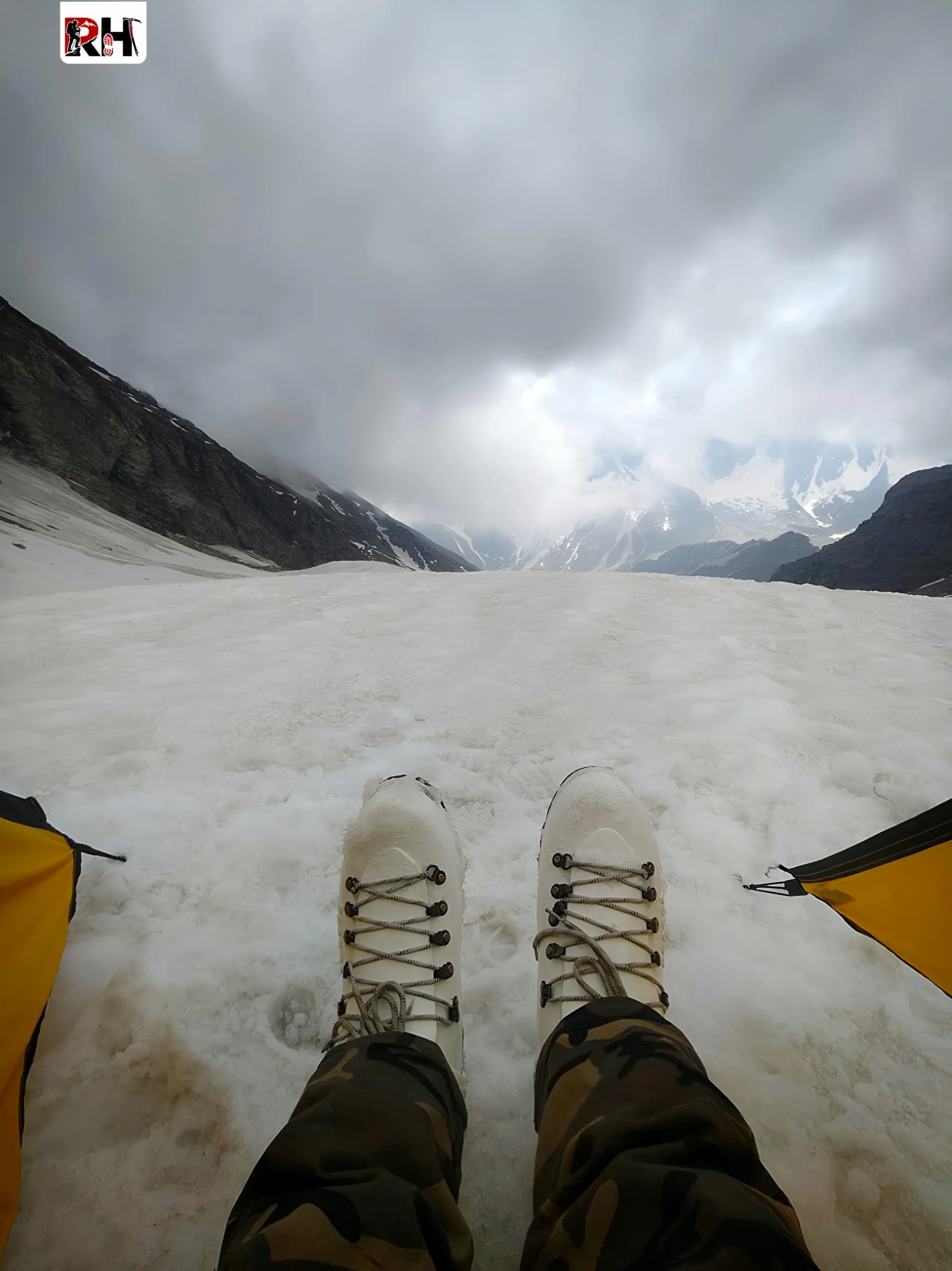
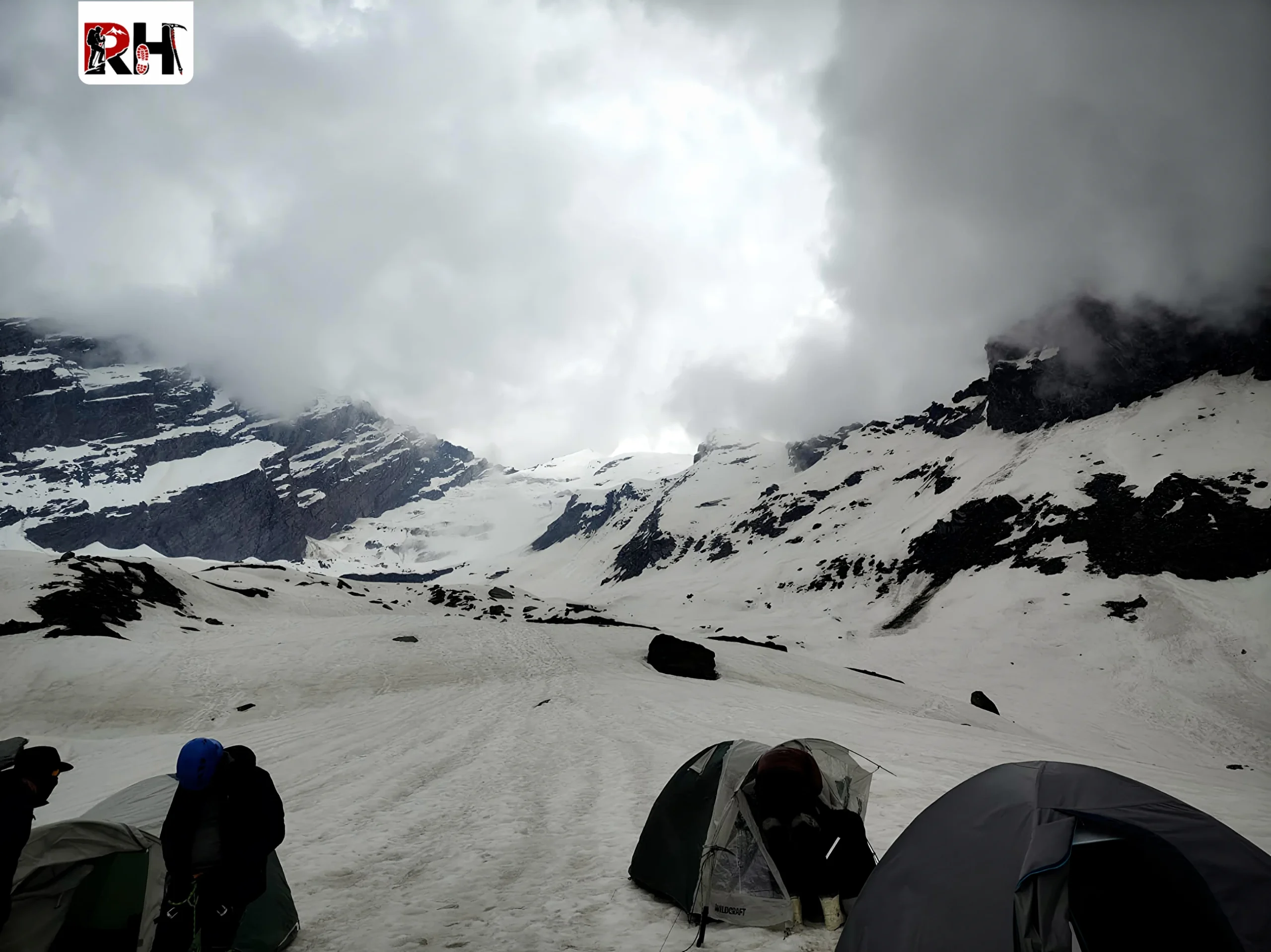
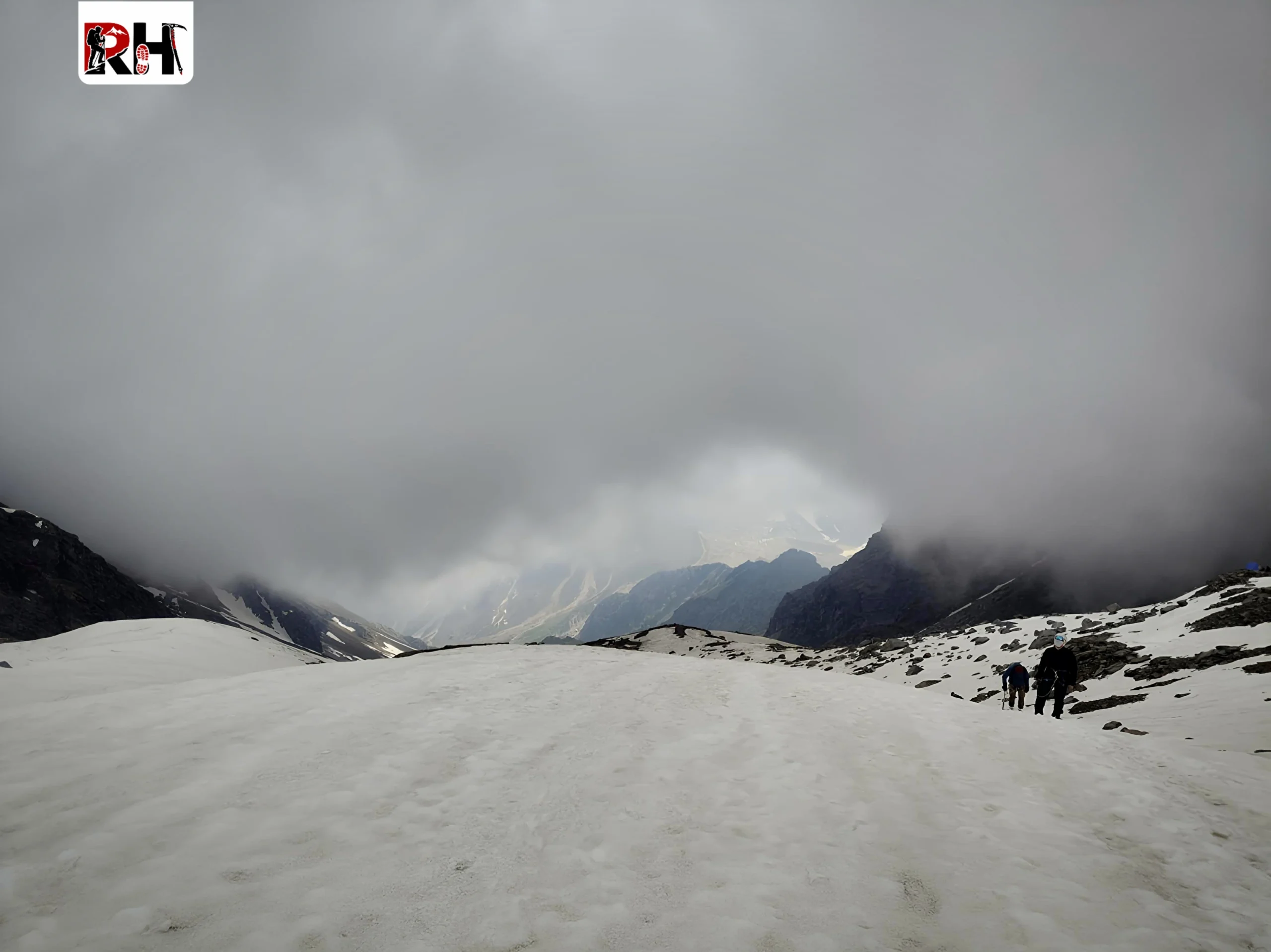
Highlight
Friendship Peak at 17,352 ft: An IMF-classified trekking peak that functions as a genuine mountaineering expedition, offering one of the most accessible high-altitude summit experiences in the Indian Himalayas
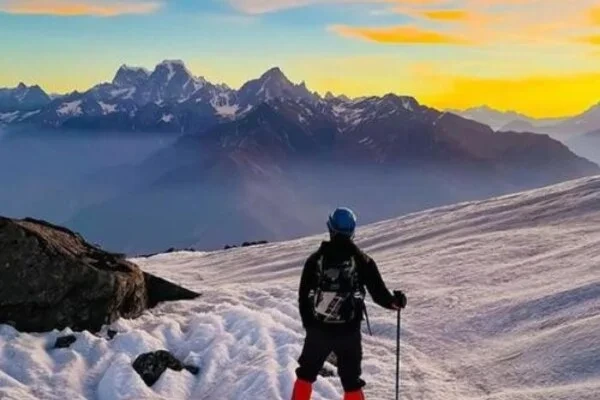
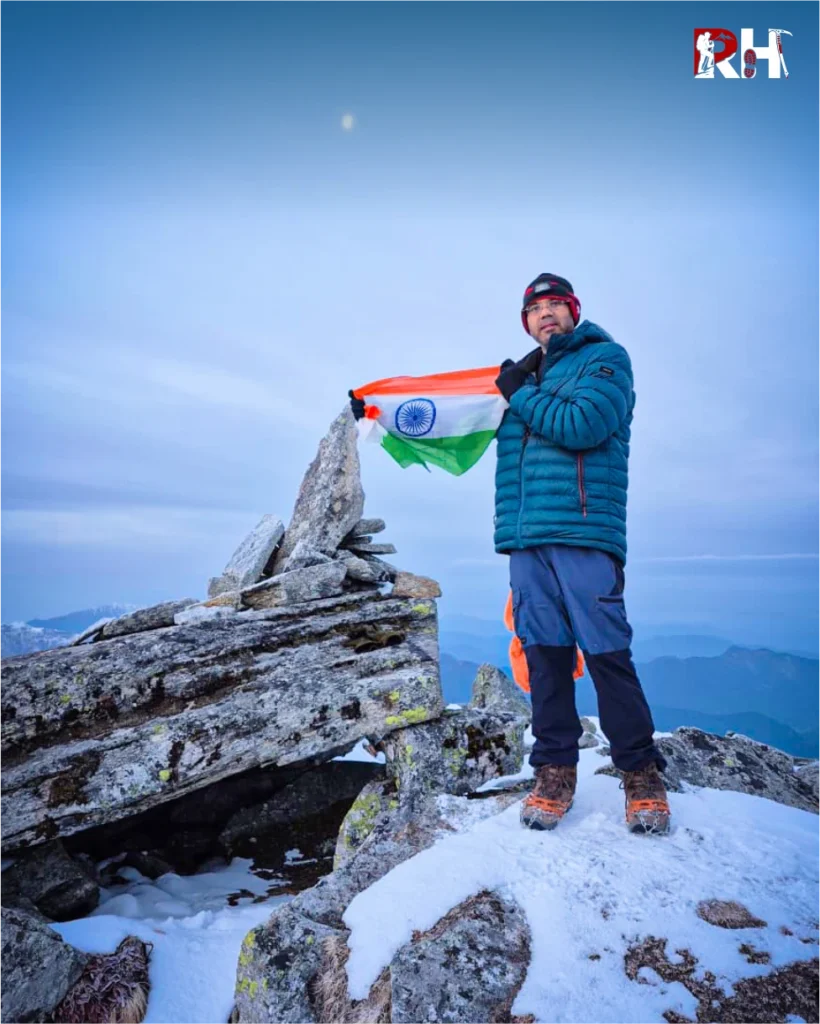
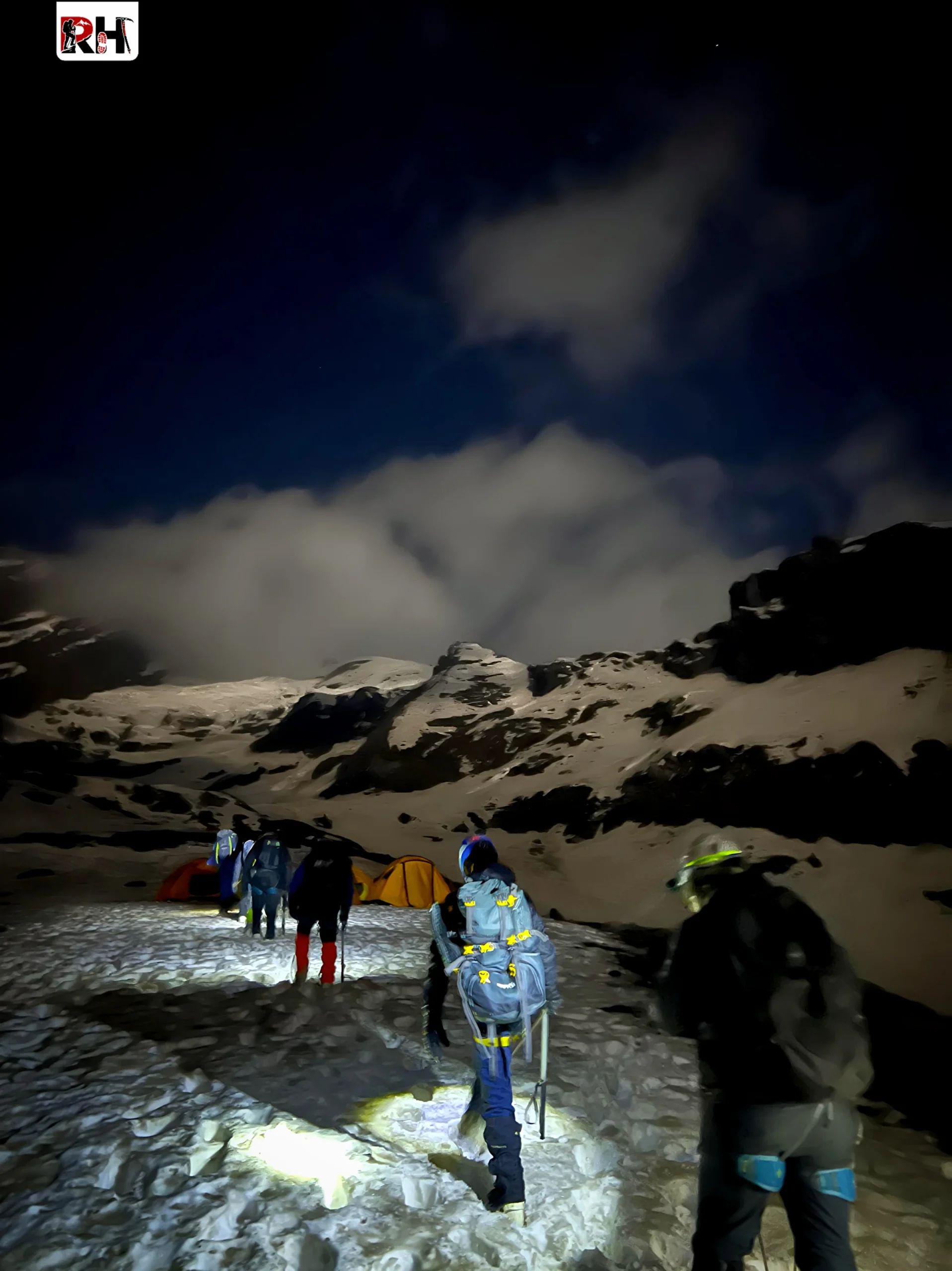
Midnight Summit Push: Leaving camp at midnight or in the early hours, climbing through darkness and cold with headtorches, crampons, and ice axes to reach the summit at dawn
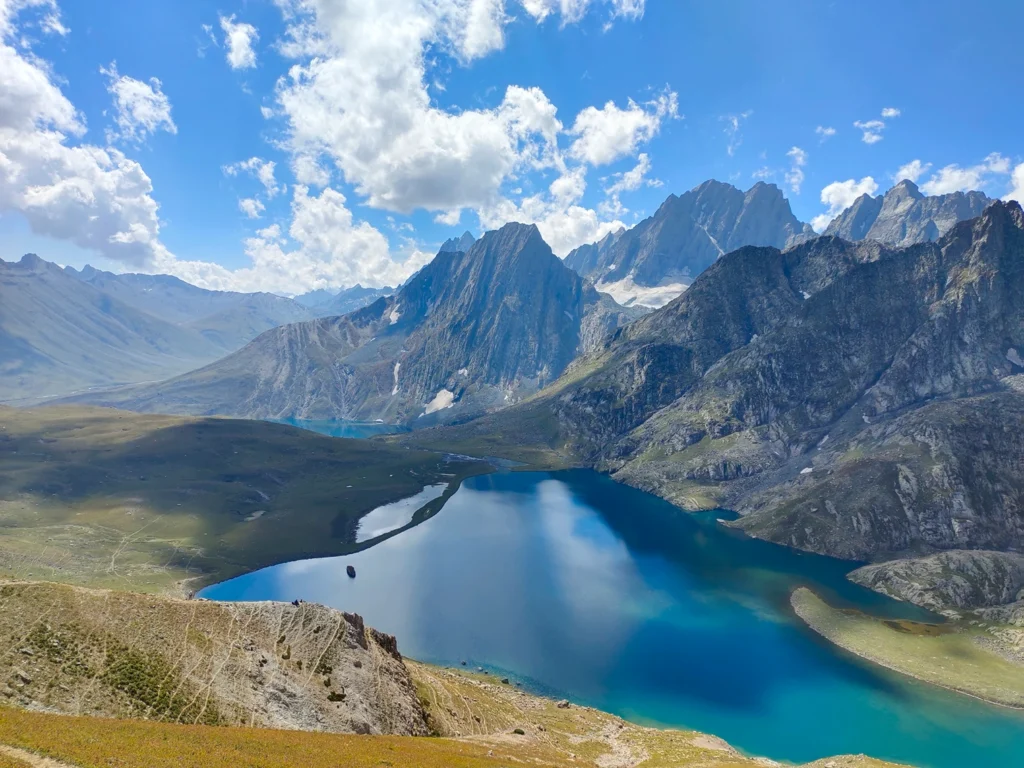
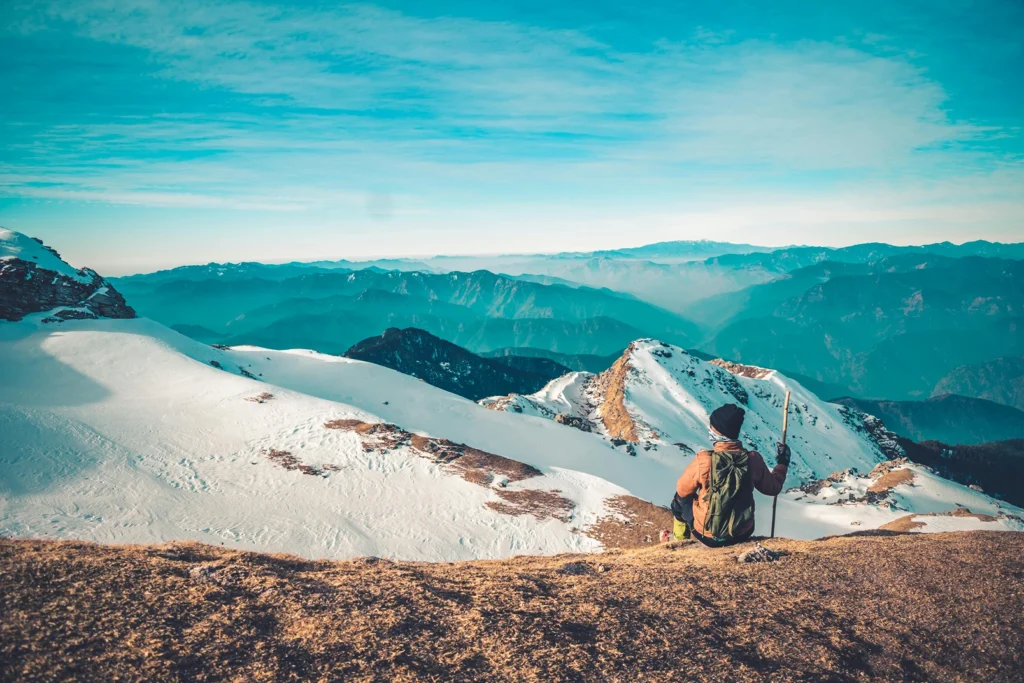
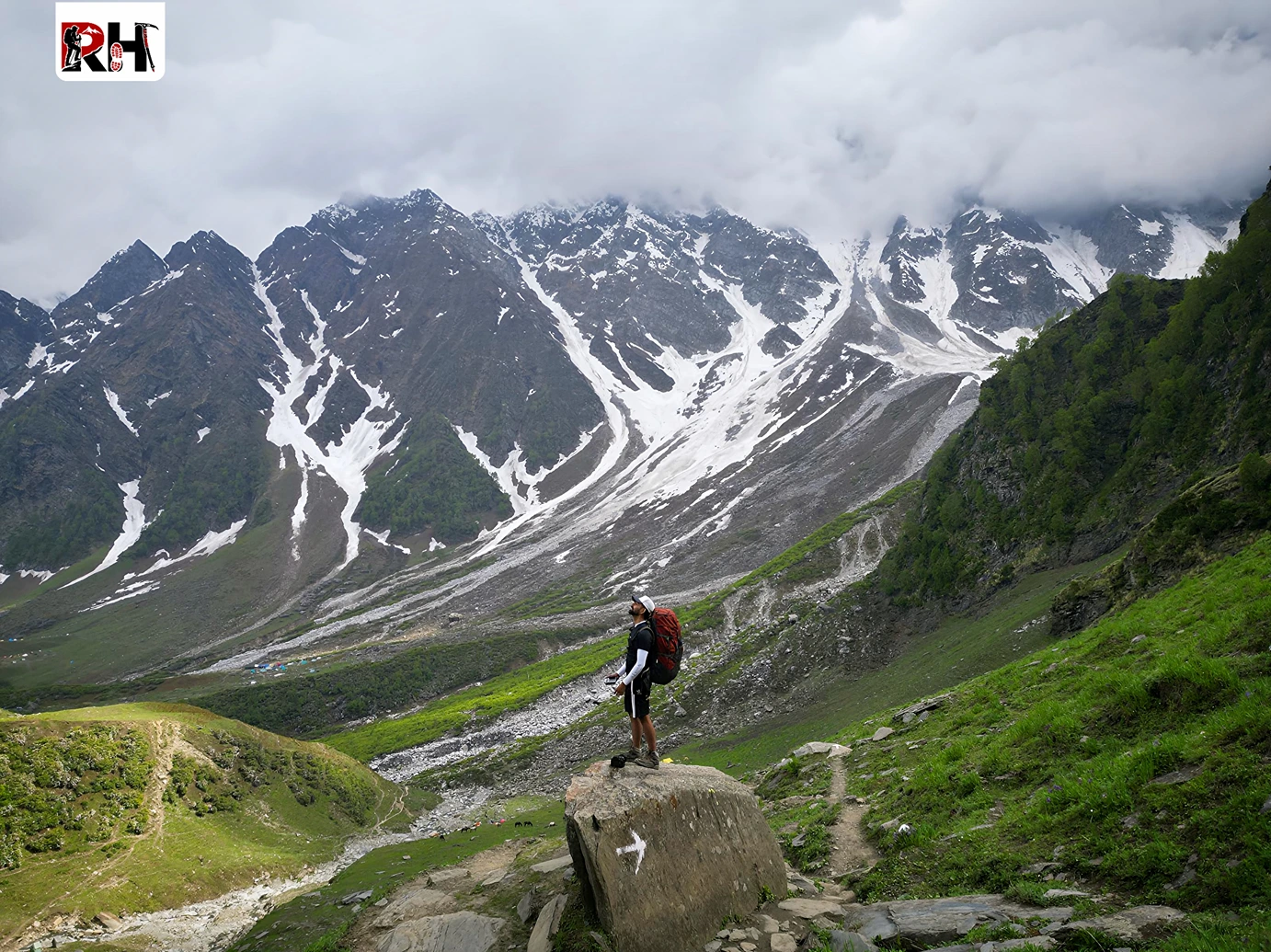
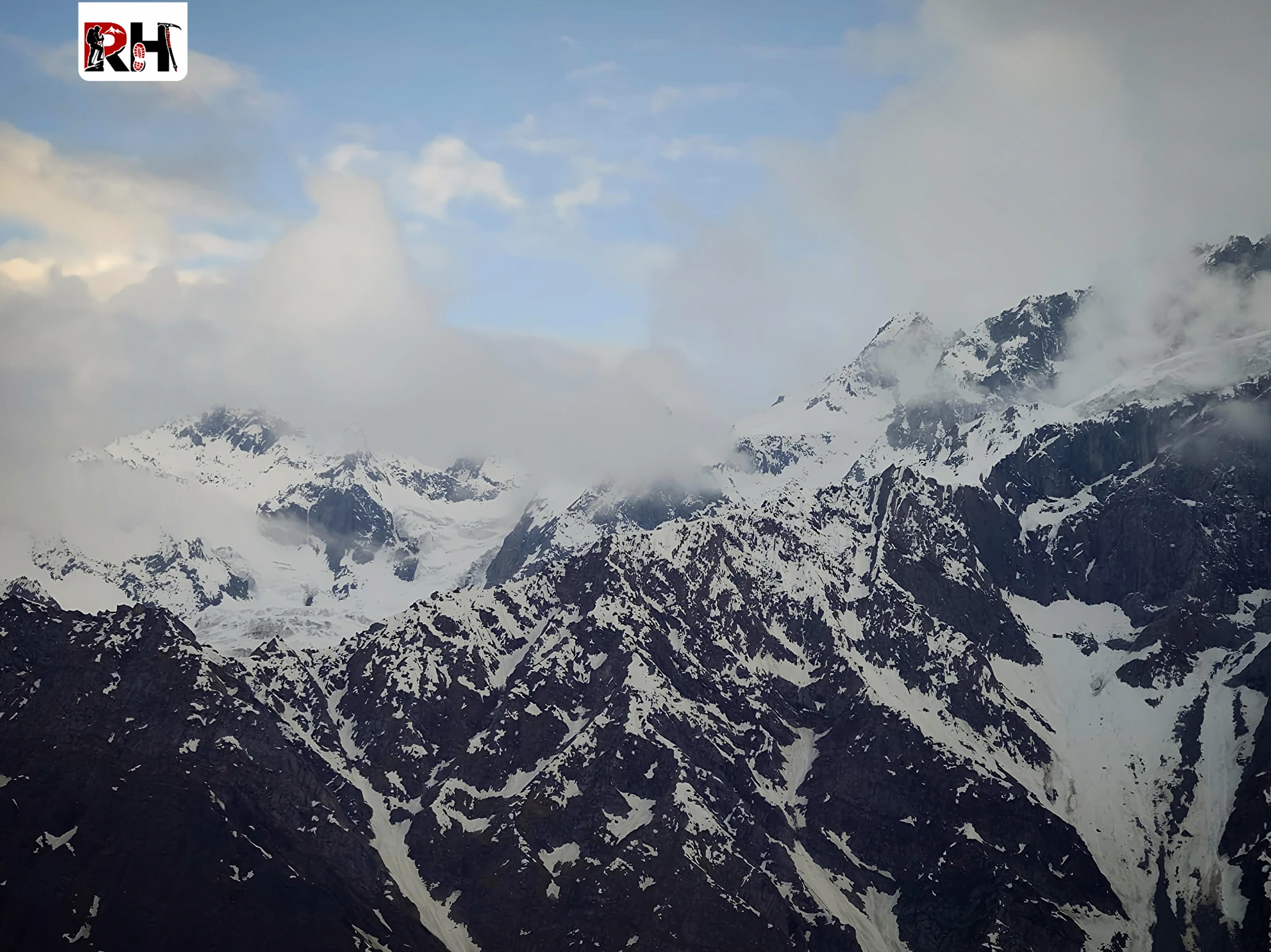
Summit Panorama: Views of the Pir Panjal Range, Dhauladhar Range, Hanuman Tibba, Deo Tibba, Indrasan, and the Solang Valley 12,000 feet below
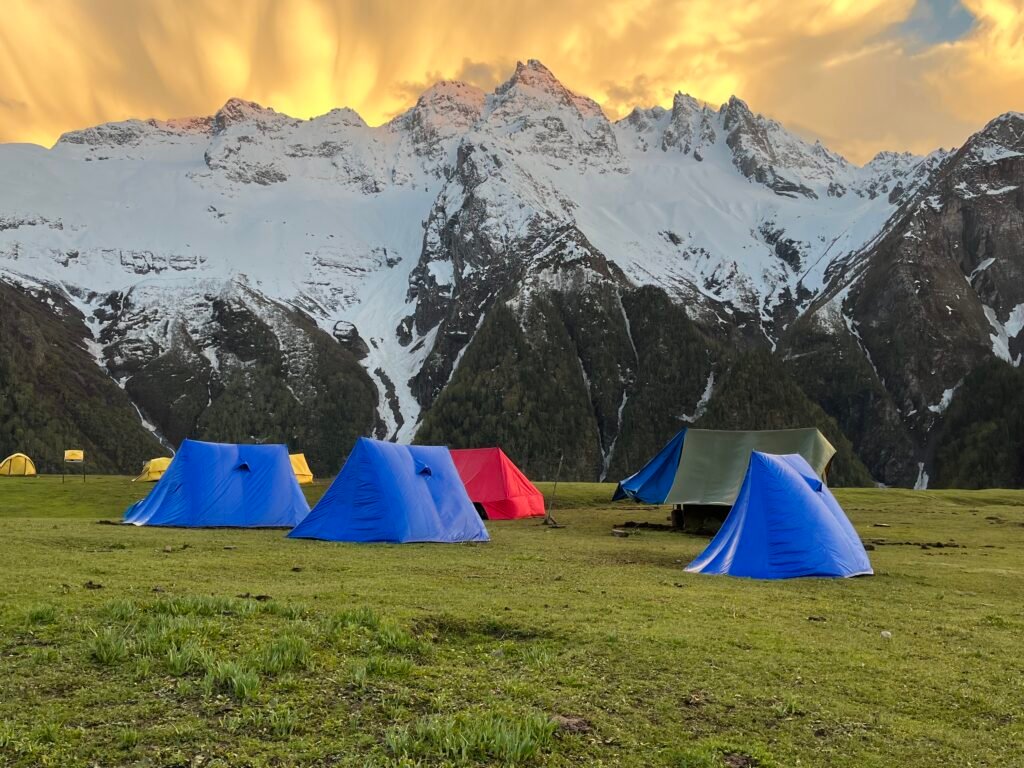
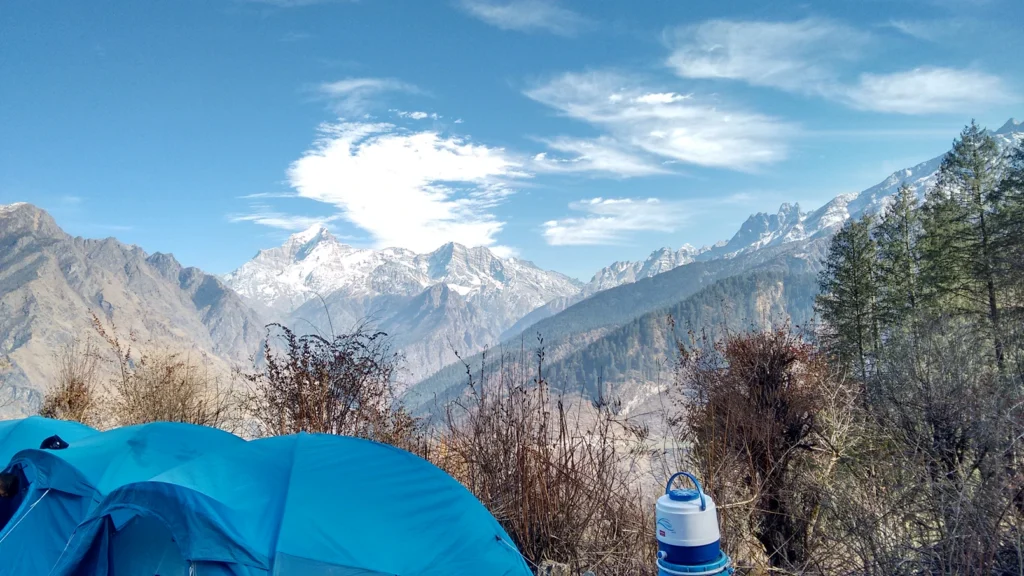
Lady Leg Advance Base Camp: The last significant camp before the technical terrain begins, set against a backdrop of glaciers and high-altitude ridgelines
Technical Terrain Introduction: The expedition introduces crampons, ice axe technique, rope work, and snow slope climbing under the guidance of a mountaineering-qualified leader
Glacier Moraine Crossing: The approach to ABC passes through raw glacial moraine, the kind of terrain that exists only in the high Himalayan zone
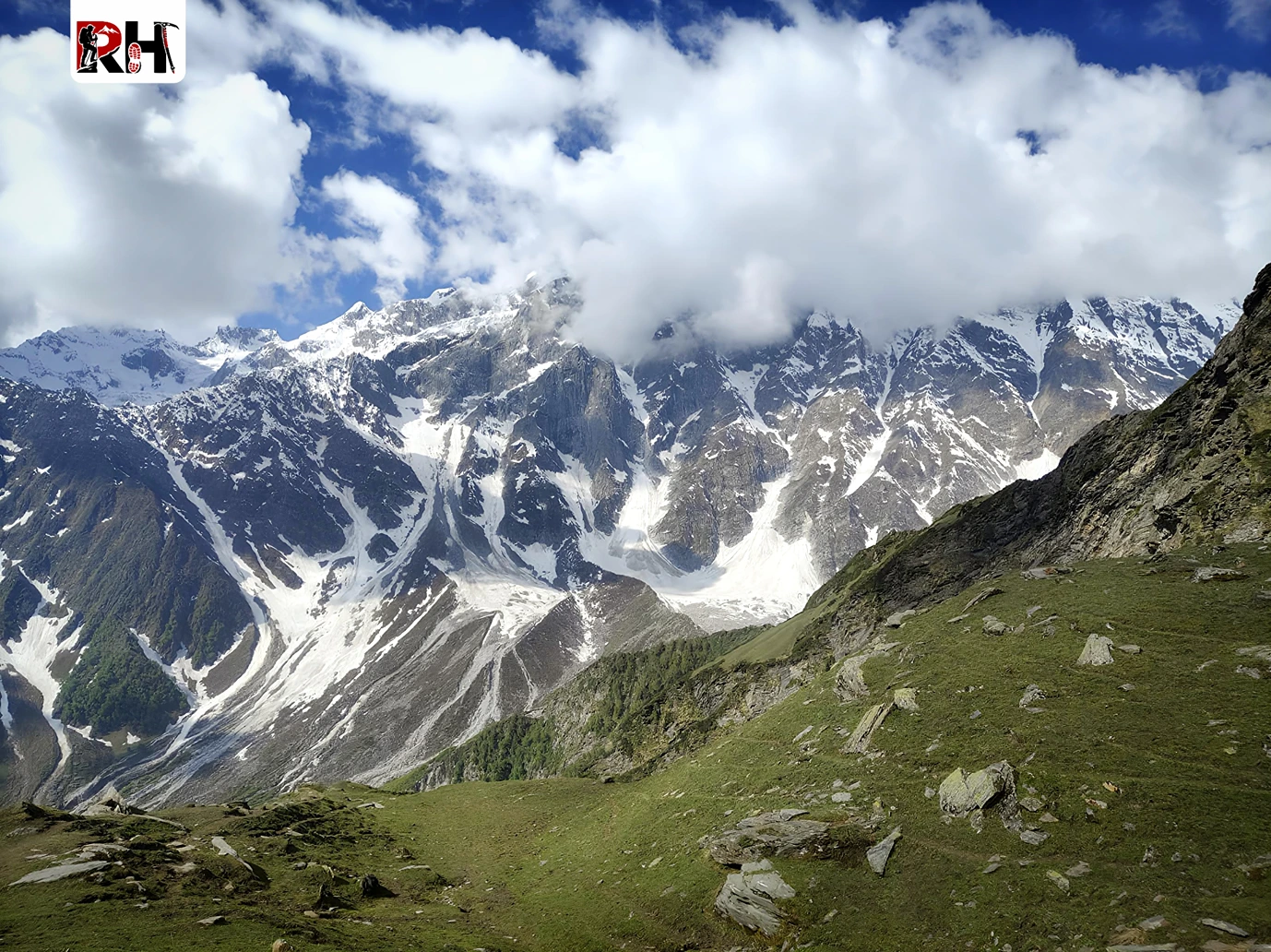
Solang Valley Approach: The route begins and ends through the beautiful Solang Valley, one of Himachal Pradesh’s most scenic high-altitude corridors
Friendship Peak Expedition Overview
One of the best beginner-friendly Himalayan mountaineering expeditions, Friendship Peak bridges the gap between trekking and climbing with glacier terrain, technical summit sections, and breathtaking views of the Pir Panjal, Dhauladhar, Hanuman Tibba, and Deo Tibba.
There is a category of mountain that exists between trekking and climbing. Not a trail walk to a viewpoint. Not a technical 6000-metre expedition requiring years of mountaineering training. Something in the middle. Something that demands more than a trekker usually gives but costs less than a full mountaineer’s resume.
Friendship Peak has increasingly become popular for being the bridge between trekking and mountaineering. Although identified as a trekking peak by IMF, it does introduce one to the challenges akin of an expedition. That is the precise territory Friendship Peak occupies at 17,352 feet in the Pir Panjal range above Manali. And it is a territory that changes the people who walk into it.
Why Trekkers Love It
The main goal of Friendship Peak is not just reaching the summit, but building mountain sense, resilience and confidence as you climb at high altitude. You will use crampons on snow slopes that demand them. You will use an ice axe on sections where your hands need something to hold. You will rope up with your team on the steepest approach to the summit. And you will do all of this at 17,000 feet before dawn, in cold that makes everything harder, while your lungs work through air that carries 40% less oxygen than what you breathe at sea level.
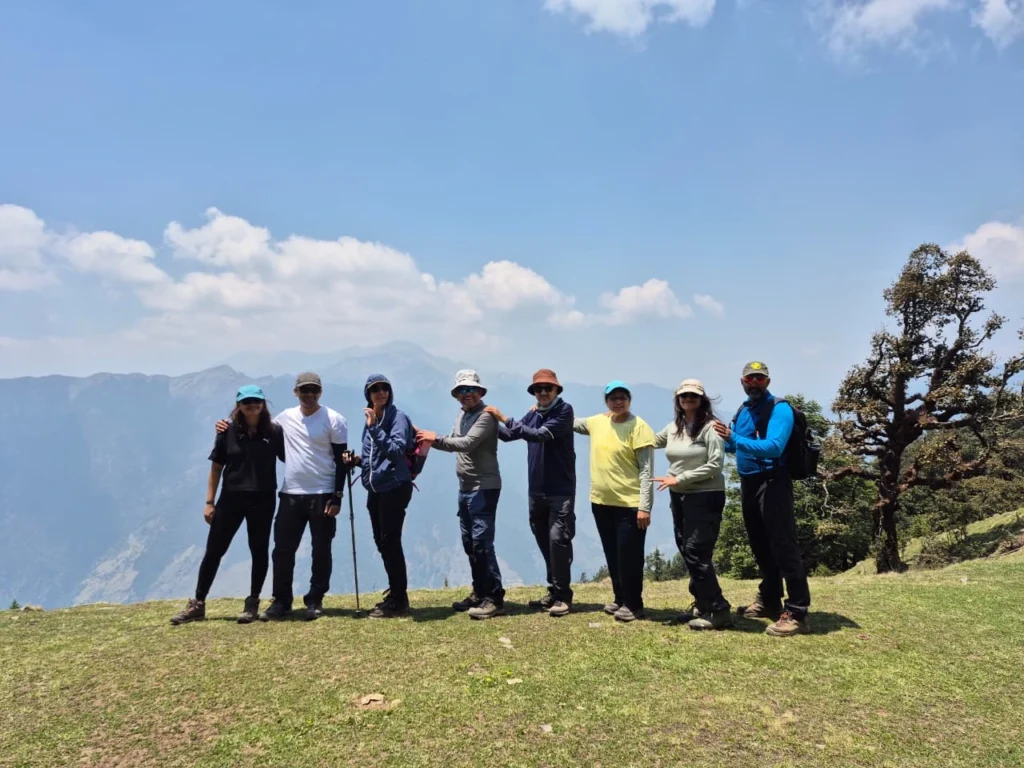
The name matters here. The peak is named Friendship because it is often chosen by groups attempting their first Himalayan summit together, symbolizing teamwork, partnership, and trust during a high-altitude climb. This is not a solo pursuit. The ropes connect you to the people beside you. The summit means nothing if your team does not reach it together.
The Friendship Peak Expedition is a 7-day route that starts and ends in Manali, climbing from the Solang Valley roadhead at Dhundi through alpine meadows and moraines to Lady Leg Advance Base Camp, then to the Summit Camp, and finally the pre-dawn push to the peak at 17,352 feet. The view from the summit includes the Pir Panjal Range, the Dhauladhar Range, Hanuman Tibba, Deo Tibba, Indrasan, and the Solang Valley spread 12,000 feet below.
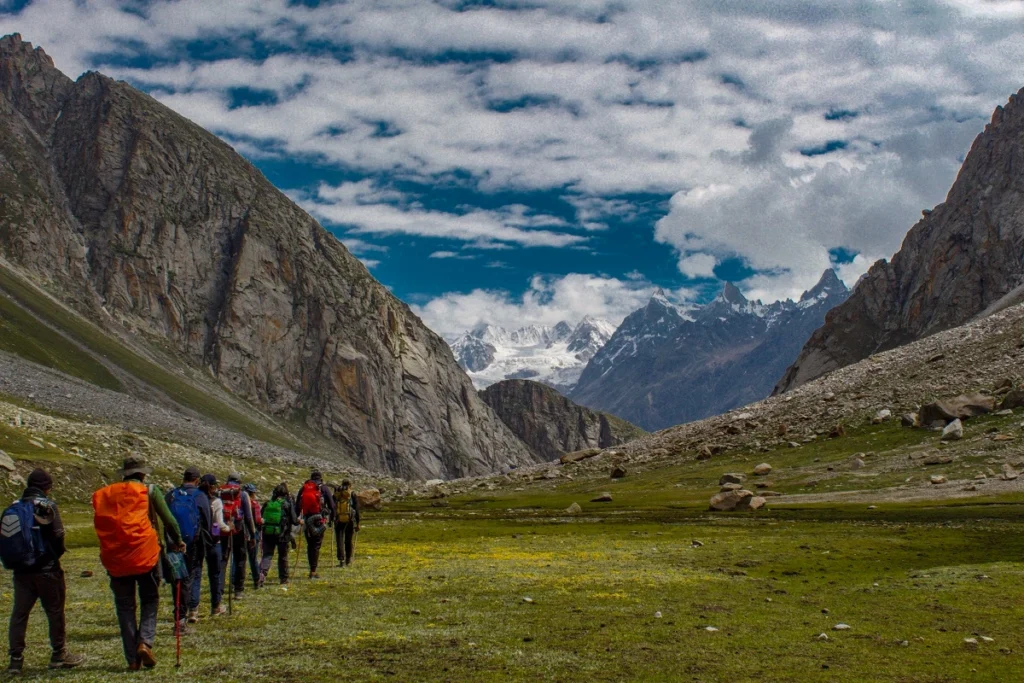
The main terrain changes from oak and pine forests to flower-filled meadows, to loose moraine, and finally to snow and ice, where crampons and ice axes are required. Each section of the route feels like a different world, the lower forests on the approach, the wide glacier moraines in the middle, and the steep snow and ice of the upper mountain that you will only fully understand once you are standing on it at midnight with a headtorch on.
Day 1 is acclimatization in Manali. Not sightseeing, not rest, but deliberate acclimatization. Manali sits at 6,726 feet, which is not high, but arriving from sea level or near it means your body has work to do before the expedition begins.
Day 2 drives to Dhundi and climbs to Lady Leg through forest and meadow.
Day 3 moves to Advance Base Camp above the glacier.
Day 4 is a rest day with a crucial midnight summit push beginning after hours of sleep.
Day 5 is the reserve day for the summit if weather prevents the Day 4 attempt.
Day 6 begins the descent from ABC or Lady Leg back toward Manali.
Day 7 walks from Lady Leg through Raoli Thach to Solang Nala and drives back to Manali.
Friendship Peak is not short of an expedition for its difficult terrain, harsh temperature and a continuously steep ascent from the time you set your first foot out the Summit Camp tent. The temperature ranges between 15 to -5 degrees depending on the season and the time of day. During the summit push, temperatures will drop at the higher altitude camps and can fall to -10°C to -20°C with windchill making it feel much colder at the summit.
The expedition is graded difficult. Friendship Peak is considered a challenging trek with a difficulty level ranging from 6 to 8 on an 8-point scale. It should only be attempted by experienced trekkers with a know-how of basic mountain skills and prior experience in high altitudes.
The right person for this expedition is someone who has already completed multiple high-altitude treks above 14,000 feet and wants to know what the next level feels like. Someone who is physically strong enough for continuous steep ascent at 17,000 feet and mentally ready for the uncertainty of weather-dependent summit windows. Someone who understands that on an expedition, success is not guaranteed, it is earned, and sometimes, despite everything, denied by weather or altitude. And someone who finds that uncertainty thrilling rather than discouraging.
This 7-8 day expedition is of challenging-level difficulty, where formal mountaineering training is not mandatory, but recommended. If you have a basic mountaineering course or even a technical trekking course behind you, you will be better prepared. If you do not, your expedition leader will provide orientation and training on crampons, ice axe, and rope technique before the technical sections begin.
The total distance is approximately 30 to 35 kilometres over 7 days. Daily distances are short but the altitude gain is substantial, particularly on summit day when you climb from Summit Camp to the peak in pre-dawn darkness.
If you are ready for your first real summit at 17,352 feet, there is no reason to wait.
Day wise plan
Follow an unforgettable Himalayan expedition from Manali to Friendship Peak while trekking through Solang Valley, alpine meadows, glacier moraines, technical snow slopes, and high-altitude camps before reaching the spectacular summit at 17,352 ft.
The Friendship Peak Expedition begins not on a trail but in a town. And the first day is not about what you do but about what your body does when you give it time to adjust.
Arrive in Manali and check into the hotel. The evening includes an expedition briefing, document verification, equipment check, and a gear orientation session with your trek leader. Your crampons, ice axe, seat harness, carabiners, and ropes are inspected and fitted. Questions get answered now, not at 14,000 feet.
Manali sits at 6,726 feet, which is low enough that altitude sickness is not a concern but high enough to begin the acclimatization process. Spend the day resting, hydrating, and walking locally. You could check out the old Hadimba Temple, have a soak in the natural hot springs at Vashisht Kund, or just walk into Old Manali. These are nice ways to get acclimatized before heading out.
One critical instruction: Restrain from visiting high-altitude sights like Rohtang Pass prior to the trek to maximize acclimatization. Rapid altitude gain followed by descent and then climbing again confuses the acclimatization process. Stay low today. Sleep well. The expedition begins tomorrow.
The drive from Manali to Dhundi follows the Solang Valley road, passing through Solang Village with its ski slopes and paragliding zones, until the road ends at Dhundi. From here, everything is on foot.
The trail out of Dhundi climbs through forest alongside the Beas River, a glacial stream fed by the high-altitude snowfields above. The forest is alpine, birch and pine giving way to open slopes as the altitude rises. The terrain shifts from forest floor to meadow to boulder as you gain height.
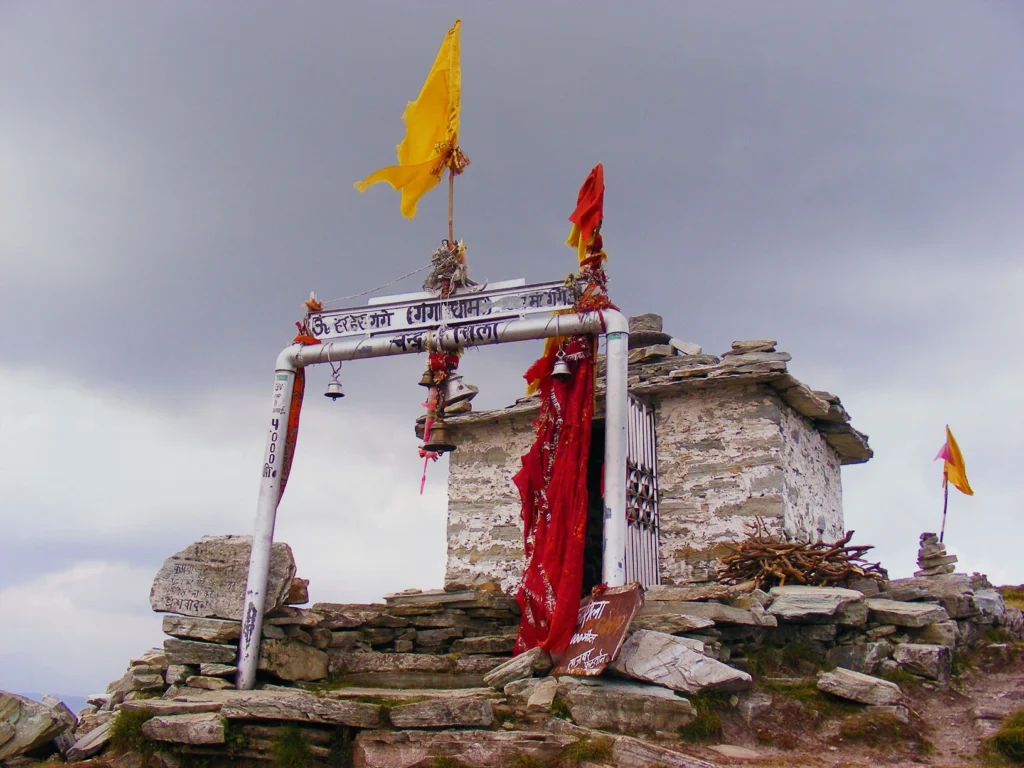
From here, trekkers make their way through the alpine region to the first campsite. The walking passes through beautiful scenery, including the holy Beas Kund and glimpses of glaciers in the distance. Beas Kund, the glacial lake believed to be the sacred bathing spot of the sage Veda Vyasa who compiled the Mahabharata, is visible from sections of the trail.
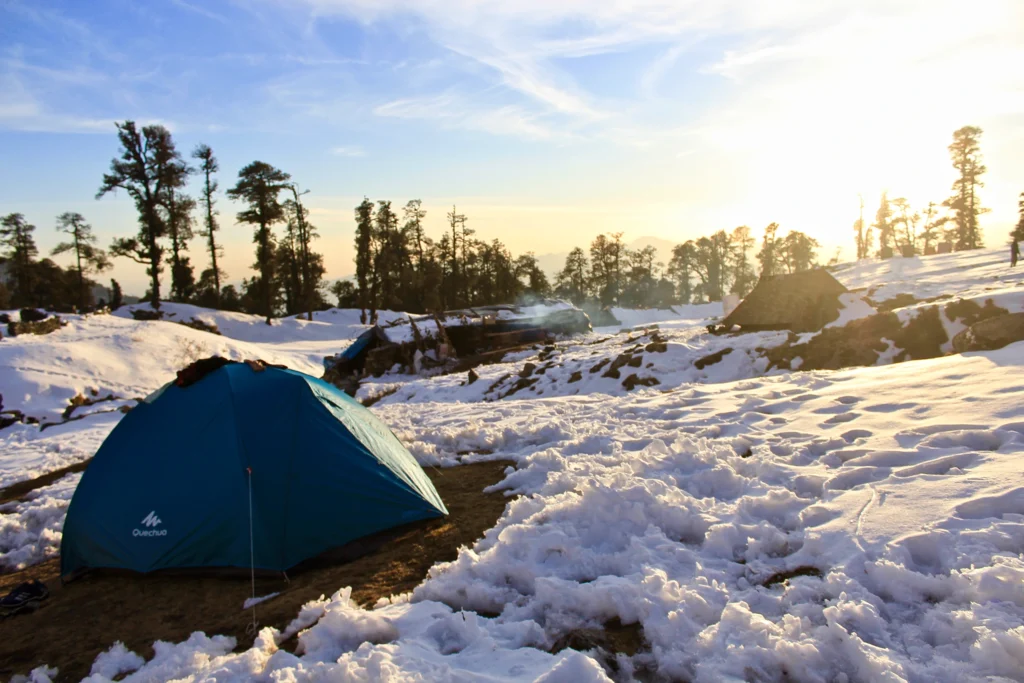
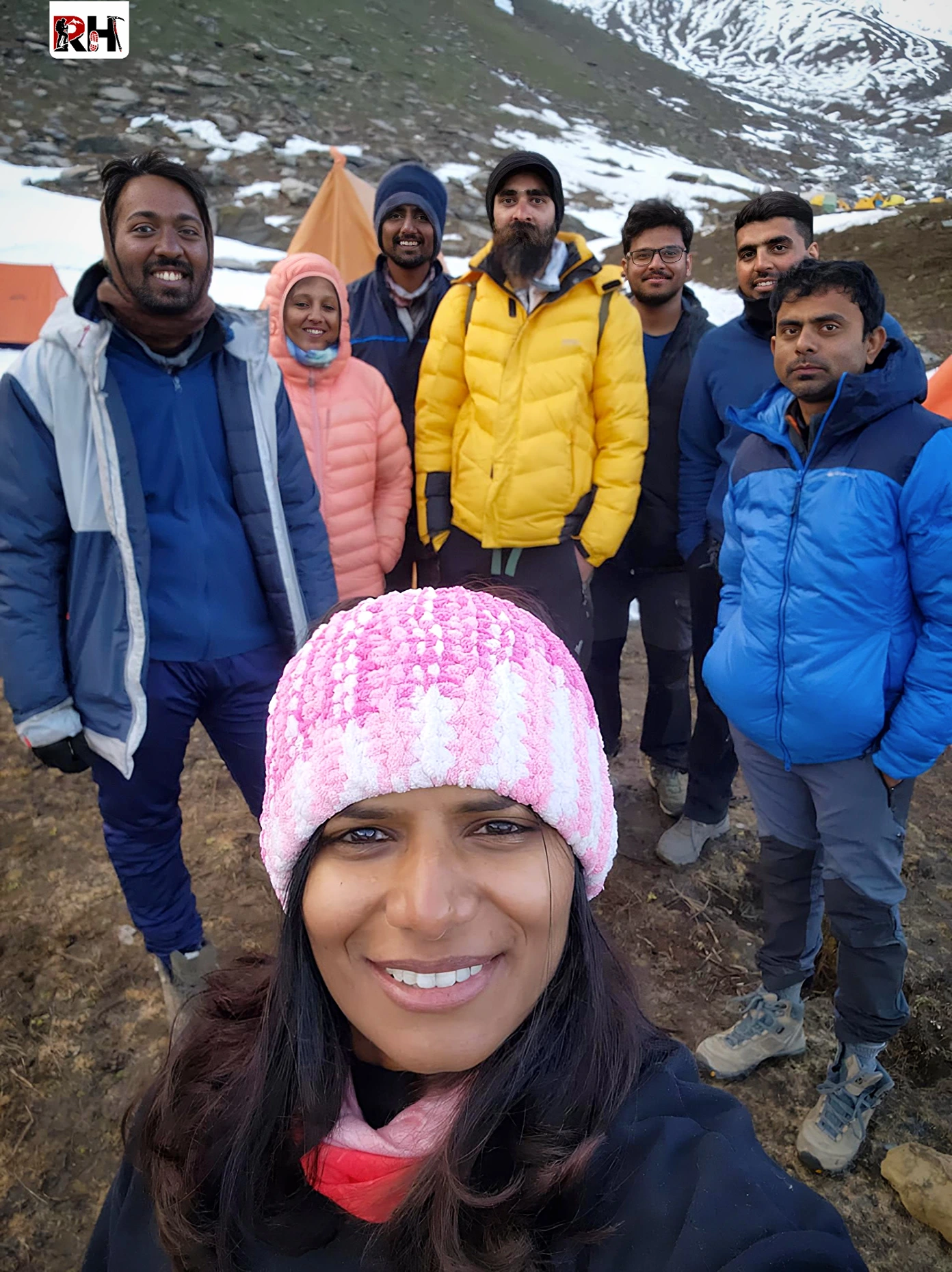
Lady Leg campsite arrives after several hours of climbing, set on a high shelf above the valley with glacier views and the first serious sense of elevation. This is the Advance Base Camp. From here, the technical zone begins.
Rest well. Eat everything on your plate. Hydrate to 4 litres minimum. Tomorrow you move higher.
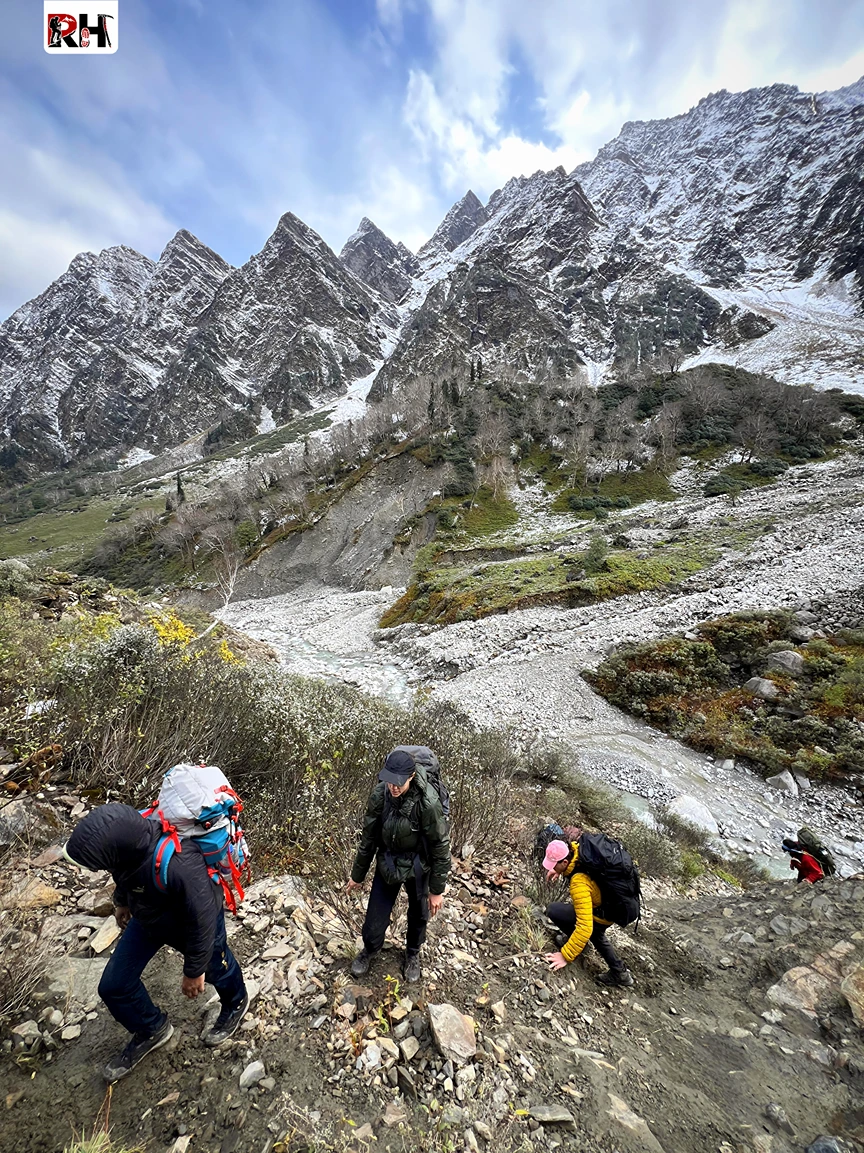
The trail from Lady Leg to Advance Base Camp moves through the moraine zone, the raw, boulder-strewn terrain left by retreating glaciers. There are no clean trails here. You navigate between rocks, across boulder fields, and over snow patches that persist even in September. Walking through glacial moraines, navigating around massive snow rocks, the unpredictable weather and the brutal slopes keep the journey exhilarating throughout.
ABC sits at approximately 14,500 feet, above the moraine zone, below the upper snow slopes that lead to the summit. It is a high, exposed camp. Wind is constant. Temperatures at night drop well below zero. The views of the surrounding peaks, Hanuman Tibba, Deo Tibba, the Pir Panjal ridgeline, are unobstructed and extraordinary.
Arrive early. Rest through the afternoon. Your expedition leader uses this time for a technical training session, crampons, ice axe self-arrest, rope clipping, and movement techniques on snow that you will use on summit day. This is not optional. Pay attention. Tonight you sleep early. Tomorrow, if the weather holds, the alarm goes off at midnight.
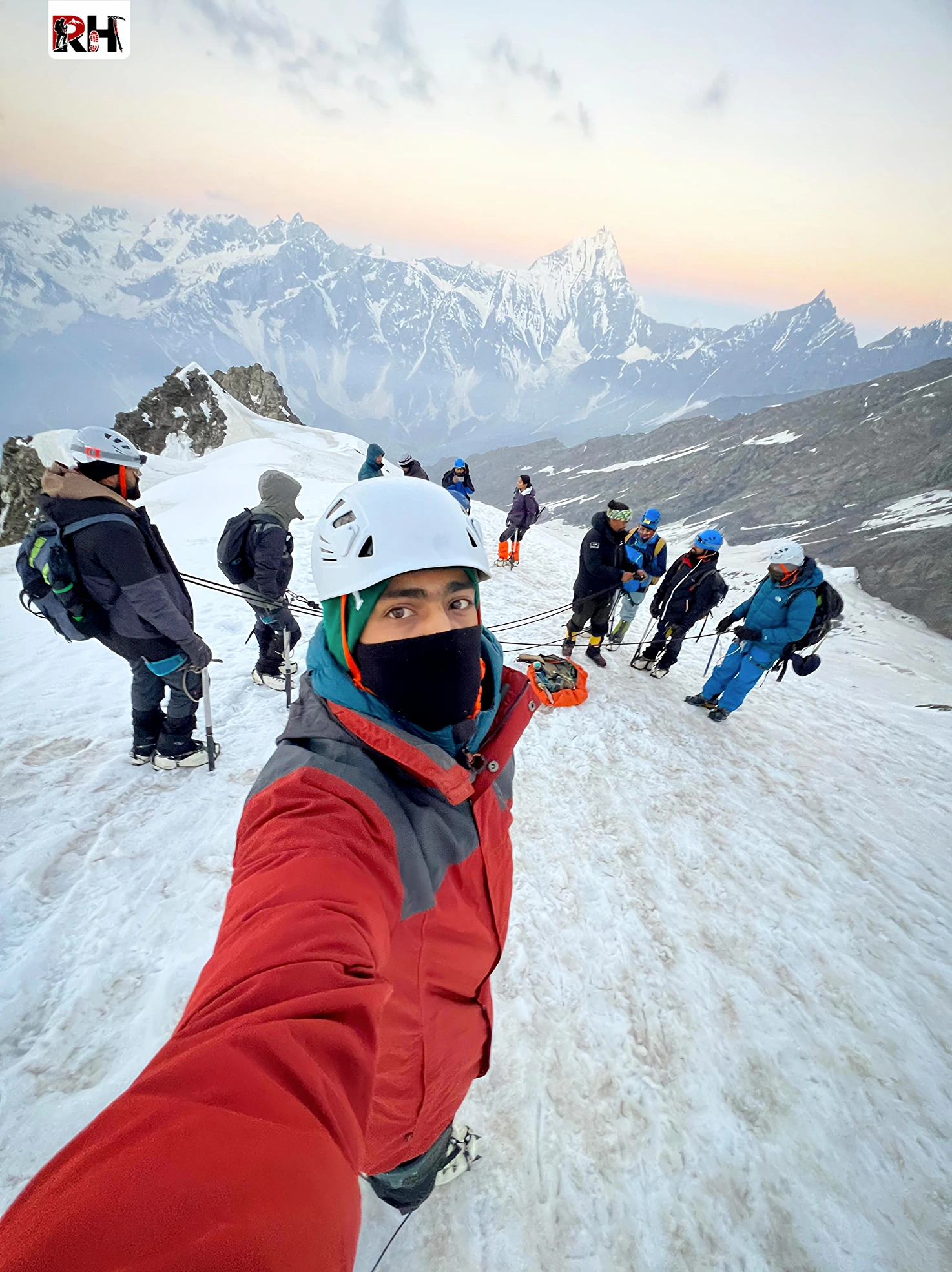
The alarm sounds at midnight. The tent walls are frozen. Outside, the temperature is -10°C to -15°C. The stars are brilliant. The summit is 3,000 vertical feet above you. Get dressed in full summit kit. Every layer. Down jacket, balaclava, gloves, crampons fitted on boots. Ice axe in hand. Harness on. Rope clipped. Headtorch on.
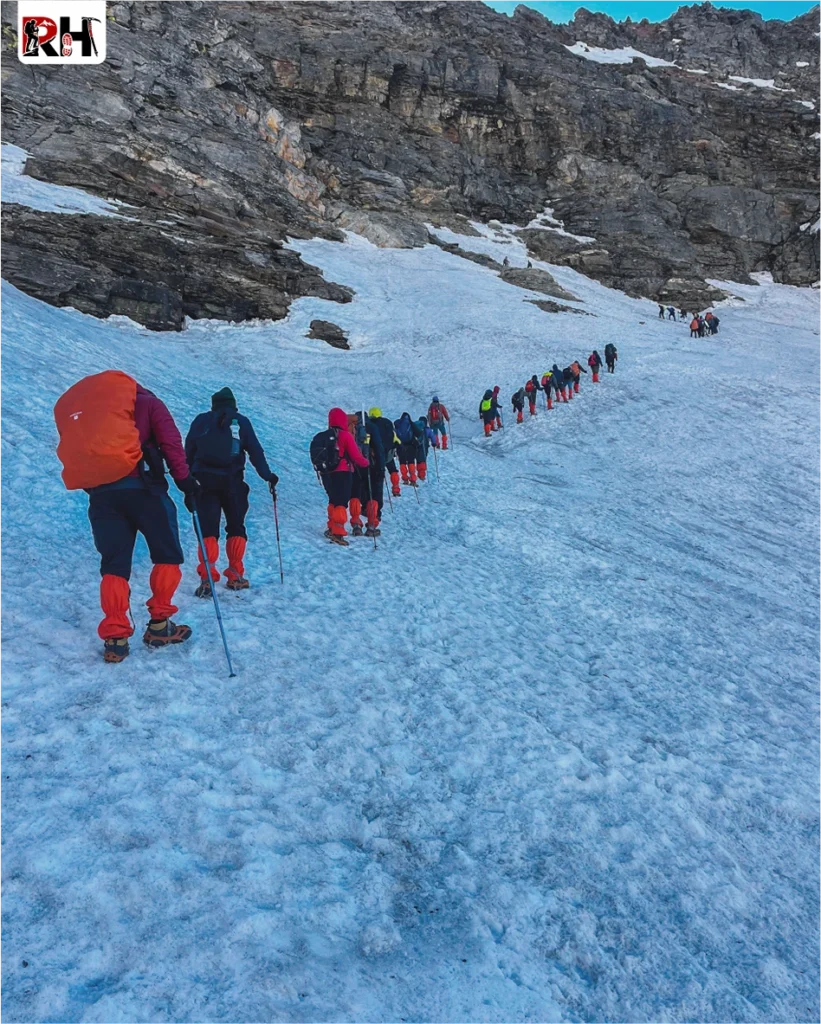
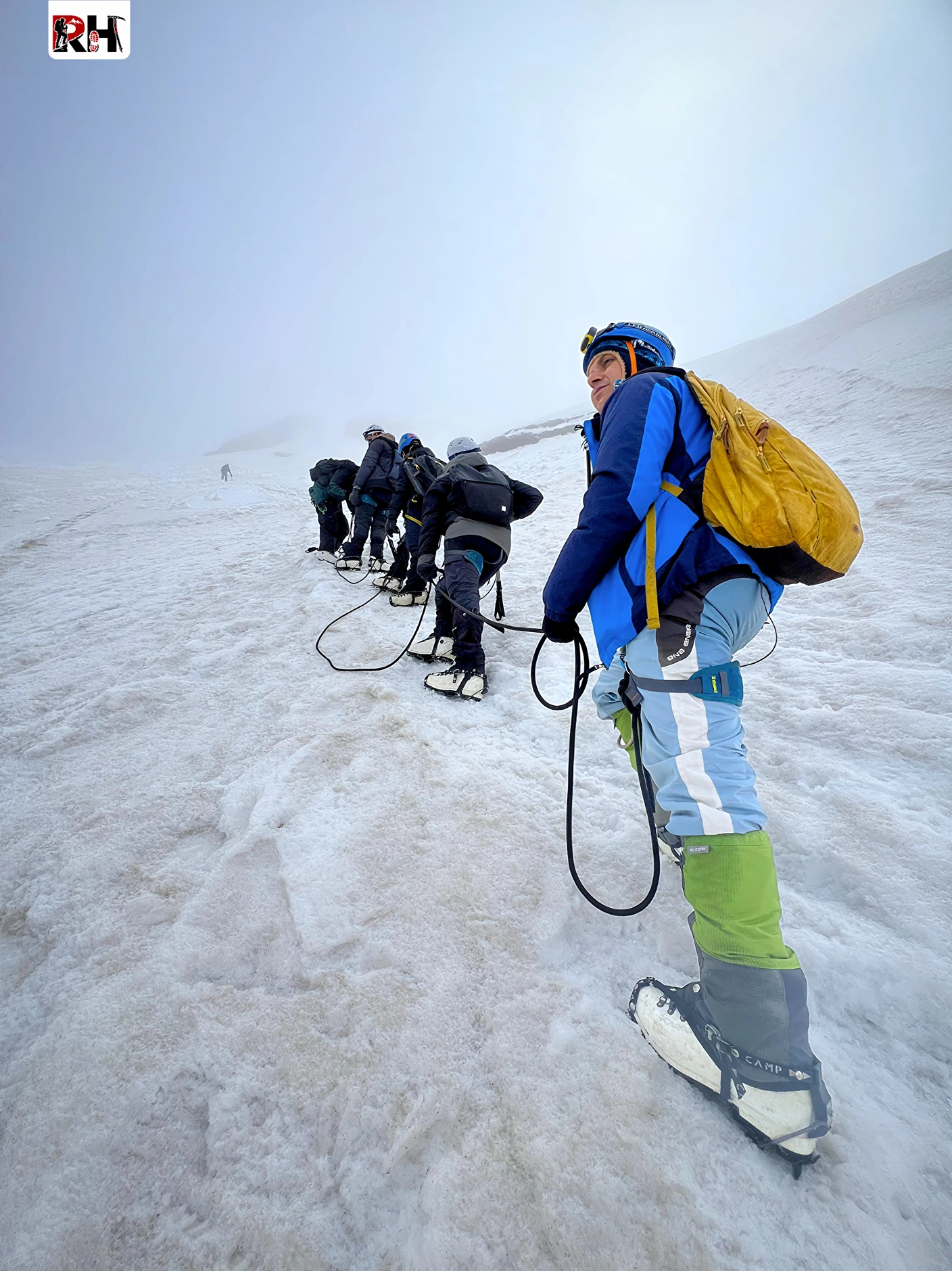
The summit push from ABC begins in complete darkness. The ascent from the Summit Camp is brutally steep right from the start. Crampons bite into packed snow. Your ice axe serves as both balance and security. The gradient increases with every hundred feet. The team moves roped together, each person dependent on the others.
The route climbs through snow slopes and rocky sections. Above 16,000 feet, the air is thin enough that each step requires conscious effort. Your pace slows. Your breathing is audible. The darkness and cold create a focused, tunnel-vision state where nothing exists except the next footstep.
May to June and September to October are the safest, most stable, and most rewarding months for Friendship Peak. These months offer the perfect balance of weather, snow quality, visibility, and summit success rates. When conditions align and the team moves well, the summit ridge appears in the early dawn light. Friendship Peak summit at 17,352 feet. Prayer flags. Cold wind. And the view that justifies everything.
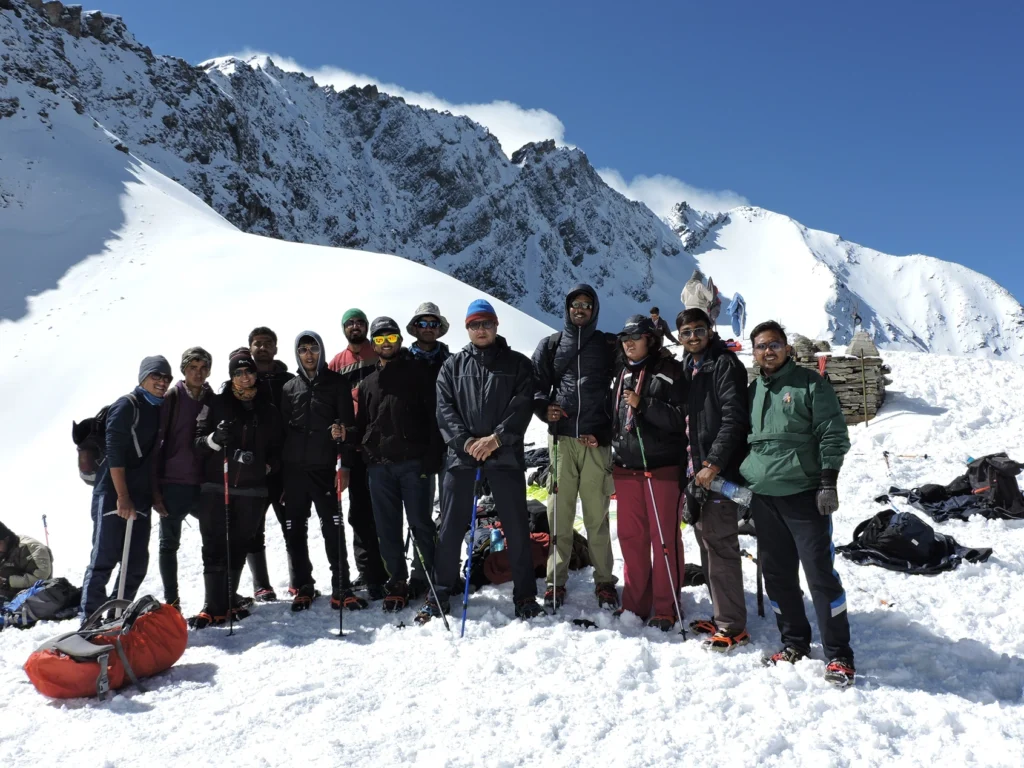
From the top, trekkers are rewarded with breathtaking views of the surrounding Himalayan ranges, including the Pir Panjal, the Dhauladhar Range, and other majestic peaks. Hanuman Tibba, Deo Tibba, Indrasan. The Solang Valley, 12,000 feet below. The Beas Valley. Snow peaks in every direction.
Stay as long as safely possible. Then descend carefully. The descent requires the same concentration as the ascent. Most accidents on summit peaks happen on the way down. Move slowly. Trust your crampons. Trust your team. Return to ABC by morning. Rest. Eat. The hardest thing you have ever done is behind you.
Weather in the high Himalayas does not operate on schedules. Storms arrive without warning. Winds at 17,000 feet can make forward movement impossible. Visibility can drop to zero in minutes.
This day exists for exactly that possibility. If the Day 4 summit attempt was weather-blocked, this is the day you try again. If the summit was successful on Day 4, this is a rest day at ABC or Lady Leg, a chance for tired legs and altitude-stressed bodies to begin their recovery before the descent.
Note: If the reserve day is utilized for a second summit attempt, an additional charge of ₹2,500 per person per day applies.
The descent from ABC to Lady Leg retraces the upward route through the moraine zone. Downhill on moraines requires careful footing, the same boulders that were demanding on the way up are harder on tired legs on the way down. Take your time. No rushing on technical terrain after a summit day.
Arrive at Lady Leg by afternoon. Rest. The altitude drops significantly and with it, the effort required to breathe. Eat a proper meal. Tonight is the last night on the mountain.
The final day on trail descends from Lady Leg through Raoli Thach, a high meadow on the descent route, and continues down to Solang Nala at the Solang Valley roadhead. The trail passes through the same beautiful alpine terrain you climbed through on Day 2, forest, meadow, and river, but it looks different now. The mountain is behind you. The effort is behind you.
From Solang Nala, a vehicle drives you back to Manali. Arrive by afternoon. Check into your hotel. Shower. Eat something that is not camp food. The Friendship Peak Expedition is complete.
Inclusion & exclusion
This section includes complete details about accommodation, meals, permits, transportation, camping equipment, technical climbing gear, mountaineering leadership, and support services included in the Friendship Peak Expedition package, along with personal expenses and services that are not covered in the overall expedition cost.
Inclusions
Exclusions
- Bag offloading will be charged at ₹4,500 per bag.
- Maximum weight per bag should not exceed 10 kg.
Best Time for Friendship Peak Expedition
May to June and September to October are the safest, most stable, and most rewarding months for the Friendship Peak Expedition. These months offer the perfect balance of weather, snow quality, visibility, and summit success rates.
May to June: Snow Season and Pre-Monsoon Window
The best months for this trek are May and June for a snow-covered peak. In May and June, the upper mountain is heavily snow-covered. The summit slopes are white and consistent. The few months of June to August allow you to see snowy peaks and experience the beauty of snowfall. Crampons and ice axe are essential and effective. The approach from Dhundi to Lady Leg is green and alive in the lower sections.
This is the season that delivers the most visually dramatic summit experience: snow from base camp to peak, blue pre-monsoon skies, and the Pir Panjal ridgeline white in every direction from the top.
Daytime temperature at lower camps: 10°C – 20°C
Night temperature at ABC: -5°C to -12°C
Summit temperature: -10°C to -20°C with wind chill
Snow coverage: Heavy and stable throughout upper mountain
Summit success conditions: Excellent in stable pre-monsoon weather
July to August: Monsoon Season
Some operators run expeditions in July and August. The best time to trek Friendship Peak is during July and August, as these months offer the highest chances of a successful summit, with better weather conditions making the trek more manageable.
The monsoon affects the Solang Valley with occasional rainfall, but Friendship Peak sits in a region that receives less monsoon influence than the eastern Himalayas. The monsoon provides the perfect balance between the perfect well-frozen trails needed for the excellent climbing experience. However, the risk of sudden weather changes is higher during this window.
September to October: Post-Monsoon Clear Season
The best time to do the Friendship Peak trek is late September and October as the post-monsoon season is when you get to experience the best of the Himalayan trails.
In September and October, the terrain is predominantly rocky as the summer has melted much of the snow from the lower and middle sections. The upper mountain retains significant snowpack, crampons remain essential, but the approach is more exposed. The compensation is exceptional visibility: deep blue post-monsoon skies and clarity that makes every peak in the Pir Panjal and Dhauladhar visible from the summit.
Daytime temperature at lower camps: 8°C – 15°C
Night temperature at ABC: -8°C to -15°C
Summit temperature: -10°C to -20°C with wind chill
Snow coverage: Minimal on lower approach, significant on upper mountain
November to April: Expedition Closed
Heavy snowfall and extreme cold make the expedition impractical and dangerous. The route is not operated during winter months.
Things to Carry
Pack for one condition: a technical high-altitude summit in the dark at temperatures down to -20°C with wind chill. Everything else is secondary. Keep your personal summit pack under 10 kg. Central luggage is carried by mules and porters.
Clothing
Footwear
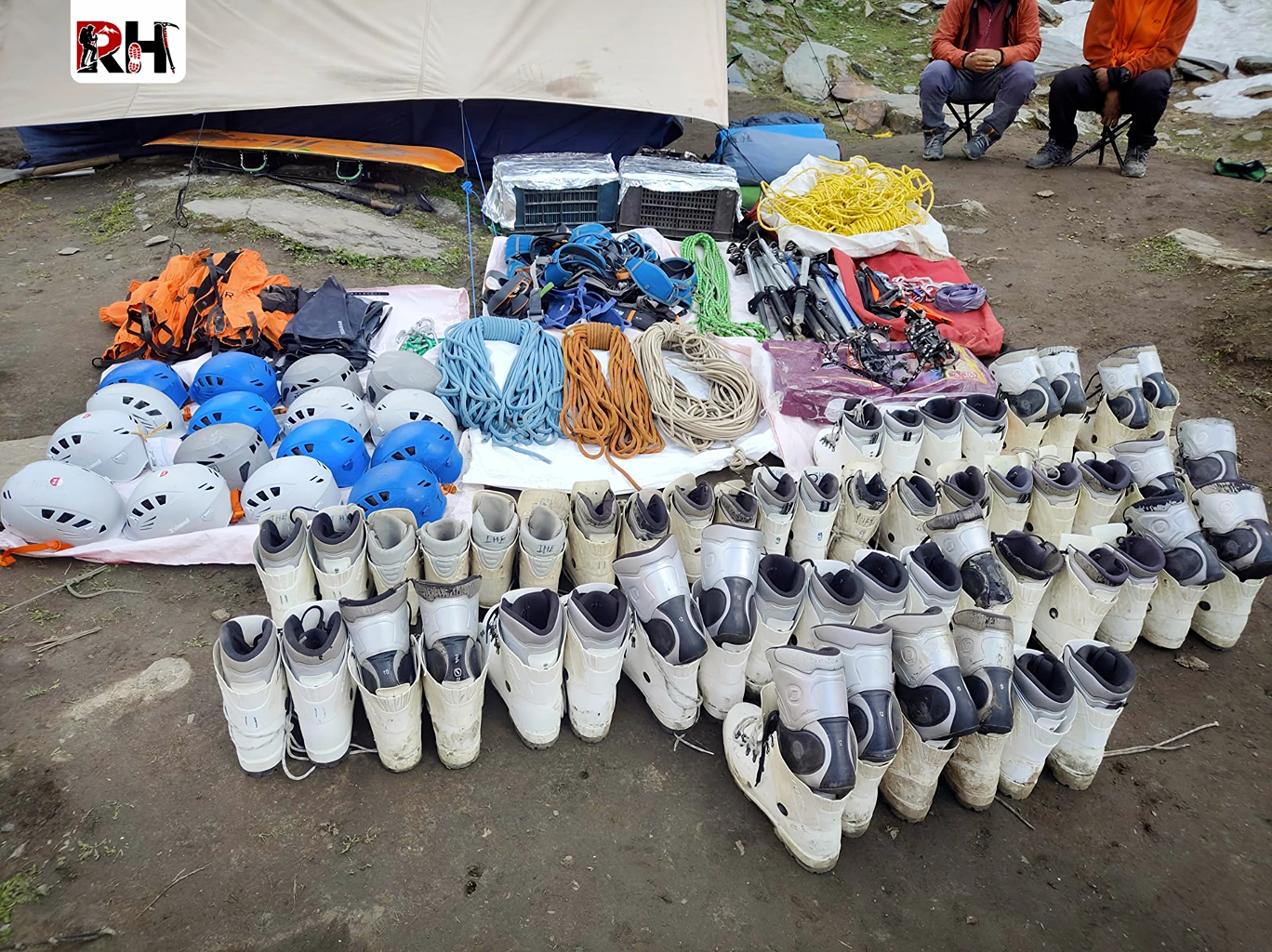
Technical Equipment (Provided by Operator)
Personal Equipment
Health & Hygiene
Documents & Finance
How to Reach Friendship Peak Base Camp
The Friendship Peak Expedition starts from Dhundi, 30 km from Manali via Solang Valley. Manali is the staging base.
Reach Manali
By Air: The nearest airport is Bhuntar Airport (Kullu-Manali Airport, code KUU), 50 km from Manali. Direct flights connect Bhuntar to Delhi. From the airport, take a taxi or cab to Manali (1.5 hours).
By Road: Overnight Volvo buses connect Manali to Delhi (540 km, 12-14 hours) and Chandigarh (305 km, 8-10 hours). Private taxis are available from Chandigarh and Delhi.
Policy
| Policy Point | Details |
|---|---|
| Booking Confirmation | Your seat is considered confirmed only after the required advance payment is received. |
| Balance Payment | The remaining amount must be cleared before departure or as per the reporting instructions shared by the team. |
| Transport Selection | Pickup from Dehradun is applicable only if that option is selected at the time of booking. |
| ID Requirement | Every participant should carry a valid government photo ID for verification and trek administration. |
| Operational Changes | In case of weather, road, or safety concerns, the itinerary may be adjusted for the well-being of the group. |
| Cancellation Window | Charge / Refund |
|---|---|
| More than 30 days before departure | Minimal processing deduction may apply; remaining amount can be refunded or adjusted as per booking terms. |
| 15 to 30 days before departure | Partial cancellation charge applicable; remaining balance may be refunded or transferred to a future batch if approved. |
| 7 to 14 days before departure | Higher cancellation charge applies because transport, permits, and staffing arrangements are usually already blocked. |
| Less than 7 days before departure | Booking is generally non-refundable due to final operational commitments. |
| No show / Trek departure missed | No refund is usually applicable once reporting is missed without prior written coordination. |
Important: Trek departures and route decisions always remain subject to weather, road access, local administration, and safety conditions. Final operational decisions are taken in the interest of the group.
FAQ's
Yes. Friendship Peak is considered a challenging trek with a difficulty level ranging from 6 to 8 on an 8-point scale. It is not ideal for first-timers and is accessible to trekkers of appropriate experience. The summit day involves a midnight start, continuous steep ascent at 17,000 feet, crampons, ice axe use, and rope technique. Prior high-altitude trekking experience above 14,000 feet is necessary.
Friendship Peak stands at 17,352 feet (5,289 meters) in the Pir Panjal Range of Himachal Pradesh. It is located near Solang Valley and Dhundi, approximately 13 km from Manali. Advance Base Camp sits at approximately 14,500 feet.
The best time to trek to Friendship Peak Manali is either May-June or September-October. During these months, the path is clear, making the trek less dangerous, and the weather is friendly. May-June for a snow-heavy summit experience; September-October for clear post-monsoon skies and the best visibility.
7 days plus a reserve/buffer day for summit attempts in unfavourable weather. If the summit is completed on Day 4, Day 5 becomes a rest day. If weather prevents the Day 4 attempt, Day 5 is the second summit window. An additional charge of ₹2,500 per person per day applies if the buffer day is utilized.
No. Friendship Peak should only be attempted by experienced trekkers with a know-how of basic mountain skills and prior experience in high altitudes. You should have completed multiple Himalayan treks above 12,000-14,000 feet before attempting this expedition.
Formal mountaineering training is not mandatory but is recommended. The expedition involves crampons, ice axe work, and short rope sections. Your trek leader provides on-site orientation and training at ABC before the summit push. The trekkers will learn essential mountaineering techniques under expert guidance.
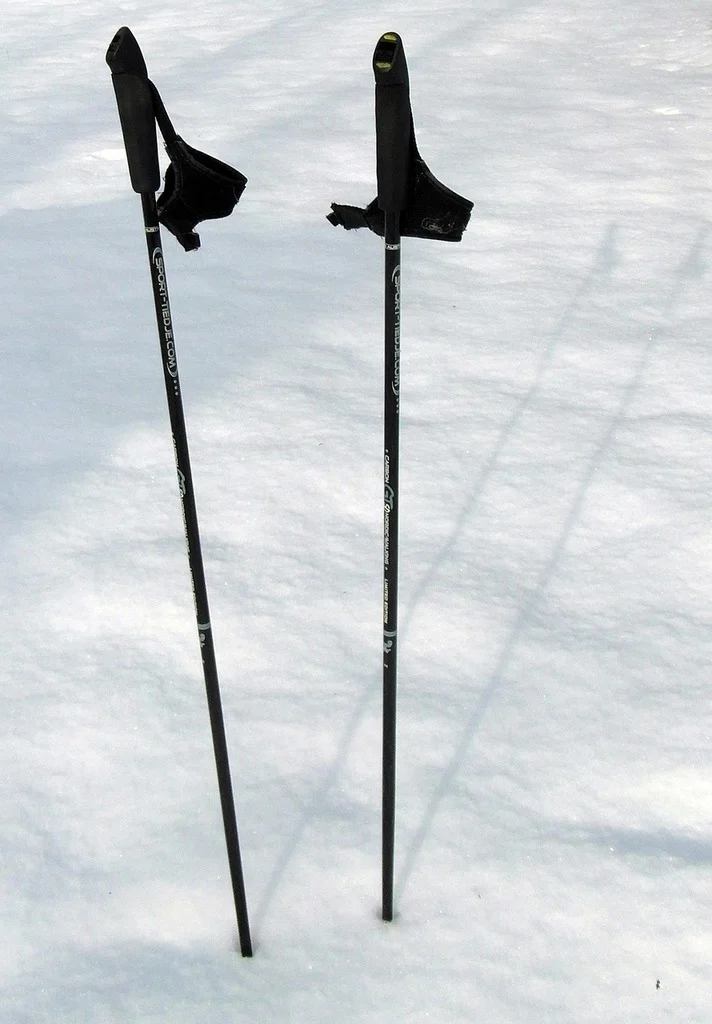
The following technical gear is included in the expedition package: microspikes, gaiters, seat harness, carabiners, pulley, ice axe, rope, and other technical climbing equipment. Mules and porters carry central luggage including tents, rations, and group equipment.
The 17,352 ft summit with panoramic views of the Pir Panjal and Dhauladhar ranges; the midnight summit push with crampons and ice axes; Lady Leg Advance Base Camp at 12,500 ft; technical mountaineering skills introduction; glacier moraine crossing; Beas Kund views on approach; and the Solang Valley scenery on descent.
The temperature ranges between 15 to -5°C depending on season and time of day at lower camps. During the summit push, temperatures drop at higher altitude camps and can fall to -10°C to -20°C with wind chill making it feel much colder at the summit. Expedition-grade down jacket, balaclava, summit mitts, and down trousers are non-negotiable.
Yes, critically. Day 1 in Manali is a dedicated acclimatization day. The gradual ascent from Manali to Dhundi to Lady Leg to ABC over 3 days provides built-in altitude gain. Proper acclimatization, staying hydrated, and being mindful of your health are essential to tackle these challenges. Diamox is recommended; consult your doctor before the expedition.
Indian nationals: IMF (Indian Mountaineering Foundation) trekking peak permit is required and included in trek packages. Foreign nationals: IMF permit costs approximately USD 75 per person, paid separately and not included in the package.
The reserve or buffer day exists because summit attempts are weather-dependent. If weather conditions on Day 4 make the summit unsafe, Day 5 becomes the second attempt window. The buffer day helps team members recover from injuries and fatigue without rushing for a hasty descent. An additional charge of ₹2,500 per person per day applies if this day is utilized.
From the top, trekkers are rewarded with breathtaking views of the surrounding Himalayan ranges including the Pir Panjal, the Dhauladhar Range, and other majestic peaks. Specifically, Hanuman Tibba, Deo Tibba, Indrasan, and a panorama that extends across the entire Solang Valley to the ridgelines of the western Himalayas.
Snow conditions at high altitude are most stable in the early morning hours, when cold temperatures keep the snowpack firm and safe for crampon movement. As the day warms, snow softens, avalanche risk increases, and conditions on steep slopes become more dangerous. Leaving at midnight ensures you reach the summit and begin descent before afternoon temperatures change the snowpack.
Rental gear for this trek