A Complete Guide to the Magical Wildflowers of the Valley of Flowers
The Himalayas are breathtaking in every season. Snow-covered peaks during winter, lush forests in spring, crystal-clear rivers in summer, and golden landscapes in autumn each have their own charm.
Yet, for just a few magical weeks during the monsoon, one destination transforms into something extraordinary—a vibrant alpine paradise filled with thousands of blooming wildflowers.
Welcome to the Valley of Flowers Trek, one of India’s most spectacular Himalayan experiences.
Unlike botanical gardens, where flowers bloom throughout the year with human care, the Valley of Flowers follows nature’s own rhythm. Most flowers bloom only for a brief period between July and early September, completing their entire life cycle within a few weeks before disappearing until the following year.
This fleeting beauty is exactly what makes the valley so special.
Every visit is different. Every season tells a new story.
The Valley of Flowers – Nature’s Living Canvas
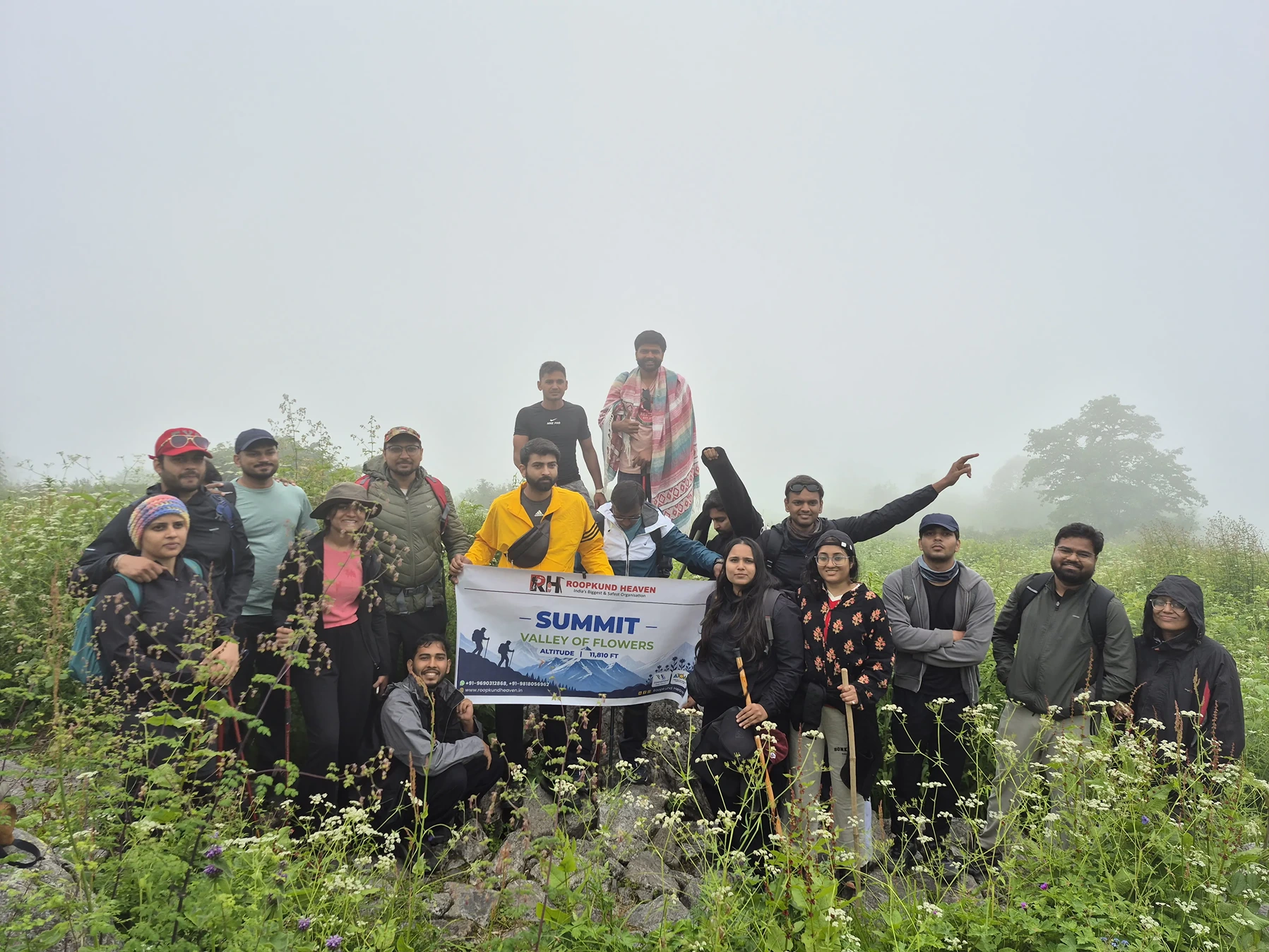
Nestled in the Chamoli district of Uttarakhand, the Valley of Flowers National Park sits at an altitude of approximately 3,658 meters (12,000 ft) and forms part of the UNESCO World Heritage Site within the Nanda Devi Biosphere Reserve.
Covering nearly 87 square kilometers, the valley is home to more than 500 species of alpine flowers, along with rare birds, butterflies, medicinal plants, and Himalayan wildlife.
During the monsoon, melting snow and regular rainfall awaken the alpine meadows, turning the valley into a colorful carpet unlike anywhere else in the Himalayas.
The landscape constantly changes throughout the blooming season.
Flowers visible in early July may completely disappear by August, replaced by entirely different species.
Nature follows its own calendar.
Why Do These Himalayan Flowers Bloom for Such a Short Time?
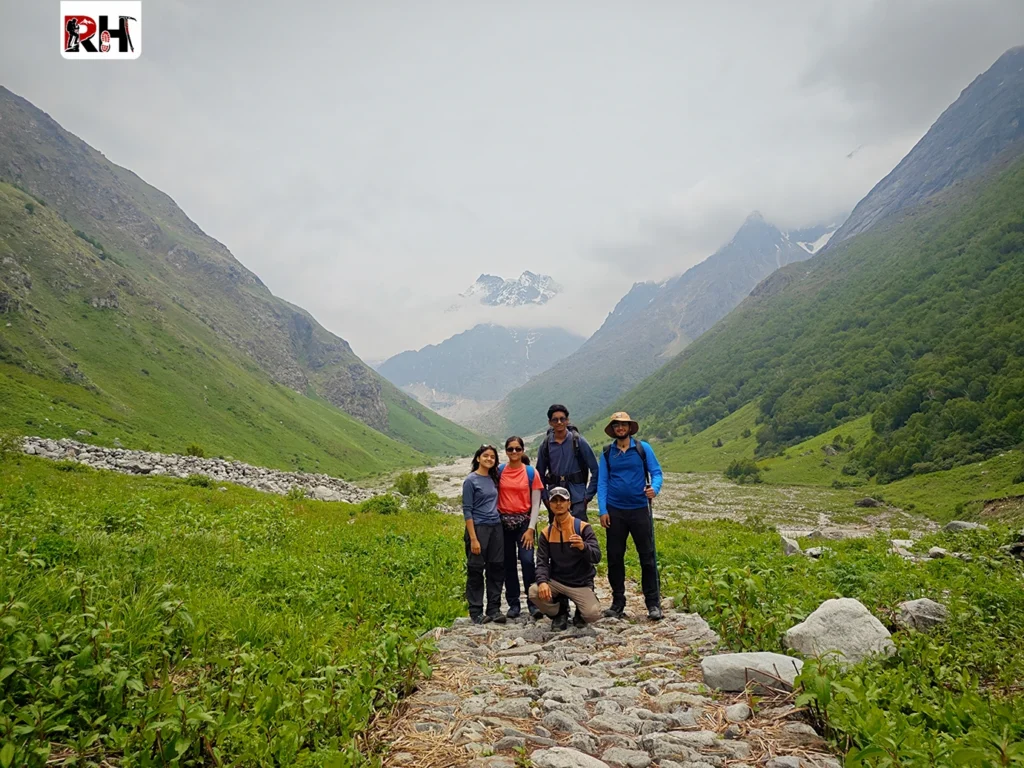
Life at high altitude is challenging.
The Himalayan growing season is extremely short because:
- Snow covers the region for nearly eight months.
- Temperatures remain below freezing for much of the year.
- Plants have only a few weeks of favorable weather.
- They must germinate, bloom, attract pollinators, produce seeds, and complete their life cycle before winter returns.
This remarkable adaptation is what creates the valley’s spectacular but short-lived floral display.
Meet the Himalayan Flowers That Bloom Only for a Few Weeks
1. Brahma Kamal (Saussurea obvallata)
Perhaps the most sacred flower in the Indian Himalayas, Brahma Kamal is Uttarakhand’s State Flower.
Although many visitors associate it with the Valley of Flowers, it is actually found at higher elevations, especially around Hemkund Sahib, which many trekkers visit after completing the Valley of Flowers Trek.
The flower blooms during the monsoon and is revered in local traditions and Hindu mythology.
Interesting fact: It often blooms at night and survives in some of the harshest alpine conditions.
2. Himalayan Blue Poppy
One of the most sought-after flowers in the Himalayas, the Blue Poppy captivates visitors with its delicate sky-blue petals.
It thrives in cool alpine meadows and is considered one of the rarest flowering plants found in the higher Himalayan ecosystem.
Its brilliant color creates an unforgettable contrast against the surrounding green landscape.
3. Cobra Lily
The Cobra Lily is among the most fascinating wildflowers found in the valley.
Its unusual hood-shaped structure resembles a cobra ready to strike, giving it its distinctive name.
Despite its dramatic appearance, it plays an important ecological role within the alpine ecosystem.
4. Primulas
Primulas are among the first flowers to welcome trekkers entering the valley.
These charming blossoms appear in shades of:
- Pink
- Purple
- Yellow
- White
- Lavender
Their colorful clusters brighten the meadows and create some of the valley’s most photogenic landscapes.
5. Himalayan Anemones
Graceful and elegant, Himalayan Anemones gently sway with the mountain breeze.
Their soft petals and delicate stems add movement and beauty to the already vibrant alpine meadows.
These flowers are often seen alongside streams and grassy slopes.
6. Potentillas
Potentillas cover large sections of the valley floor with cheerful yellow blossoms.
Although individually small, they create vast golden patches that blend beautifully with surrounding purple and pink flowers.
They are among the most widespread flowering species during peak bloom.
7. Himalayan Geraniums
Purple and pink Himalayan Geraniums are commonly seen throughout the trekking trail.
Their vibrant colors attract butterflies and pollinating insects, making them an essential part of the valley’s fragile ecosystem.
They often bloom in dense clusters, adding even more richness to the landscape.
More Than Just Seven Flowers
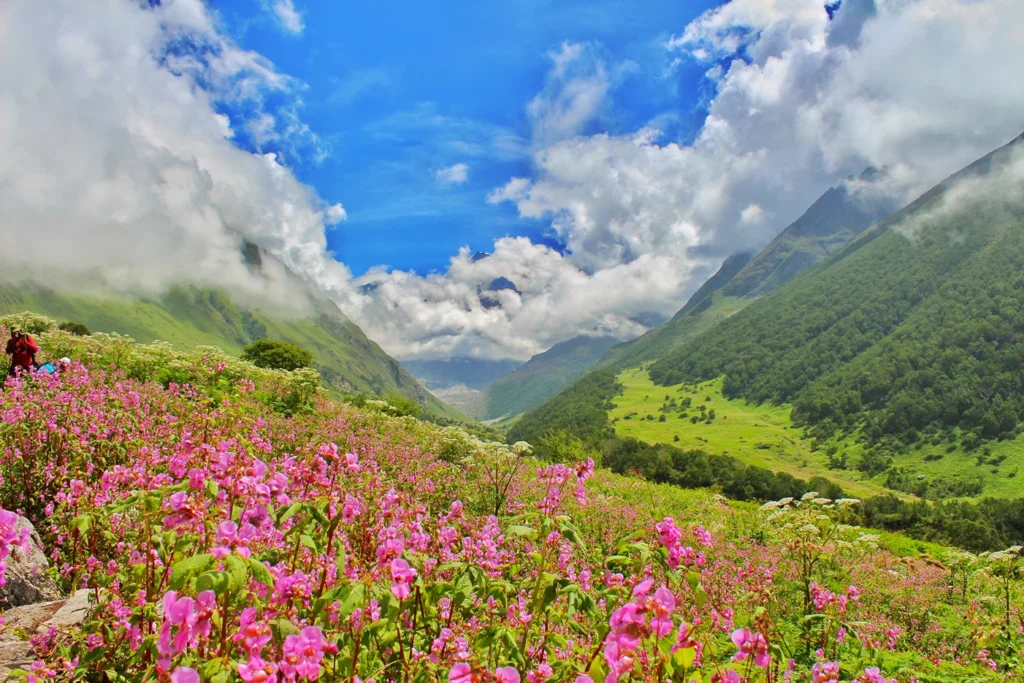
These famous flowers represent only a small part of the valley’s incredible biodiversity.
The Valley of Flowers is home to hundreds of flowering plants, including:
- Marsh Marigolds
- Himalayan Bellflowers
- Bistort
- Pedicularis
- Daisies
- Orchids
- Buttercups
- Delphiniums
- Campanulas
- Ligularias
Together, they create one of the richest high-altitude floral ecosystems anywhere in the world.
Every Week Looks Different
One of the most fascinating aspects of the Valley of Flowers Trek is how quickly the landscape changes.
Early July
- Snow begins melting.
- Fresh greenery emerges.
- Early bloomers start appearing.
Mid July
- Meadows become increasingly colorful.
- Primulas and early alpine flowers dominate.
Late July
- Peak flowering season.
- Maximum variety of species.
- Ideal photography conditions.
August
- New flowers replace earlier blooms.
- Different shades and floral patterns emerge.
Early September
- Flowers gradually fade.
- Meadows prepare for winter.
- Grasses turn golden before snowfall returns.
This ever-changing cycle ensures that no two visits are exactly alike.
Responsible Trekking Matters
The flowers of the Himalayas survive only because this fragile ecosystem has remained largely undisturbed.
As trekkers, photographers, and nature lovers, we all share the responsibility of protecting it.
While visiting the Valley of Flowers, always remember:
- Never pick wildflowers.
- Stay on designated trekking trails.
- Avoid stepping into flower beds for photographs.
- Carry back all plastic and waste.
- Respect wildlife and local biodiversity.
- Avoid making loud noises.
- Leave the valley exactly as you found it.
Small actions by every visitor help preserve this incredible landscape for future generations.
Other Himalayan Treks That Nature Lovers Should Explore
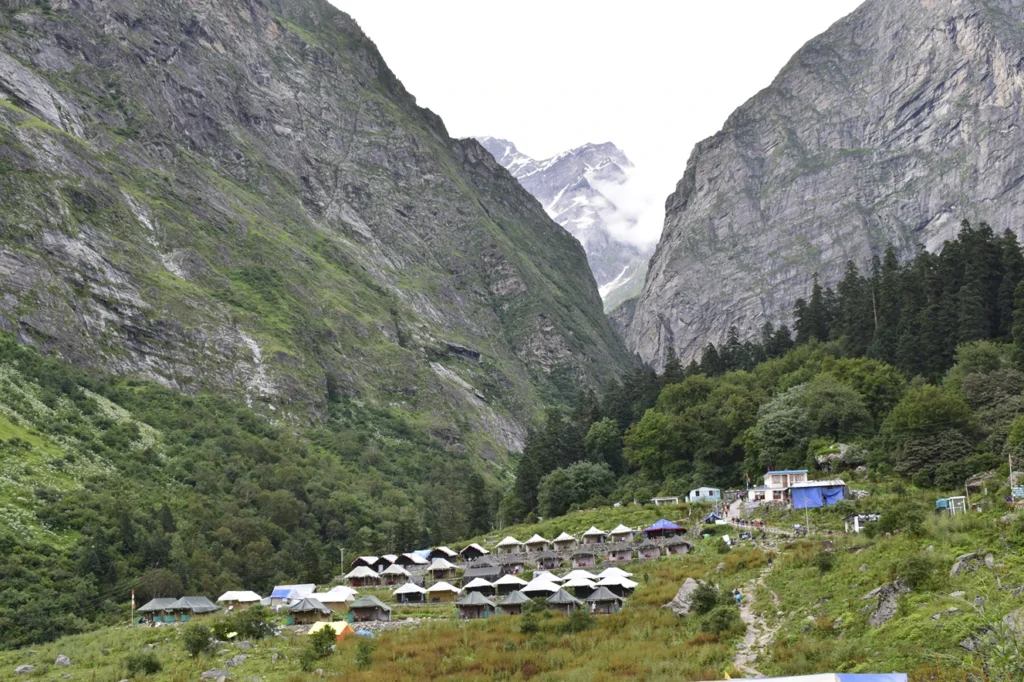
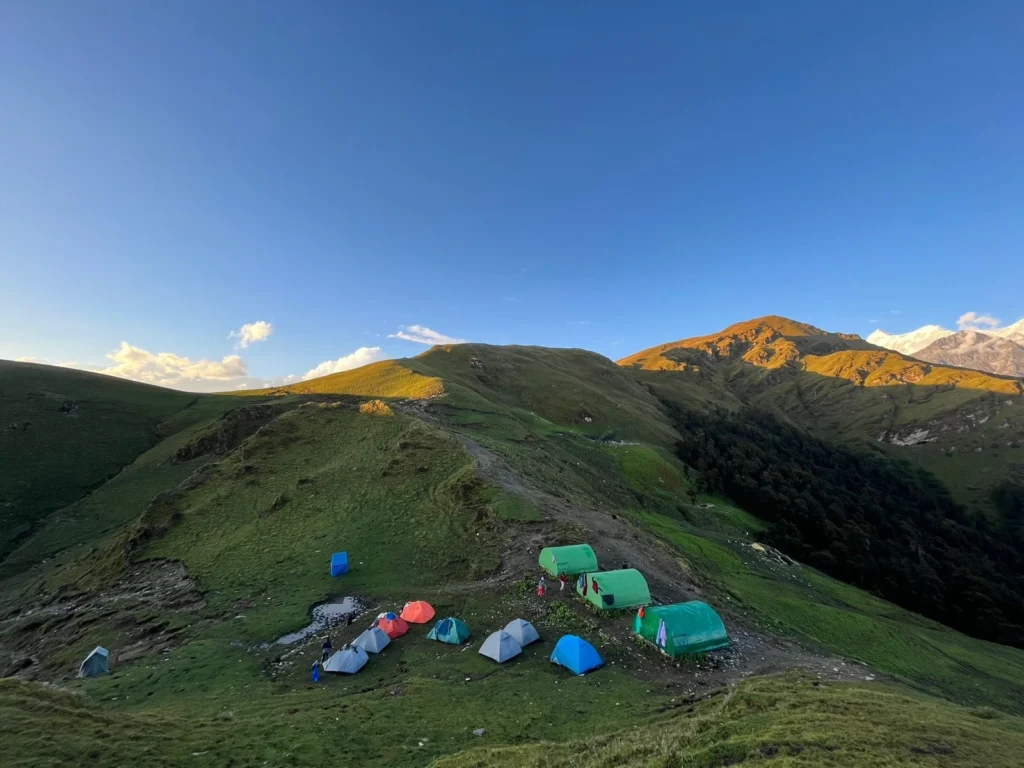
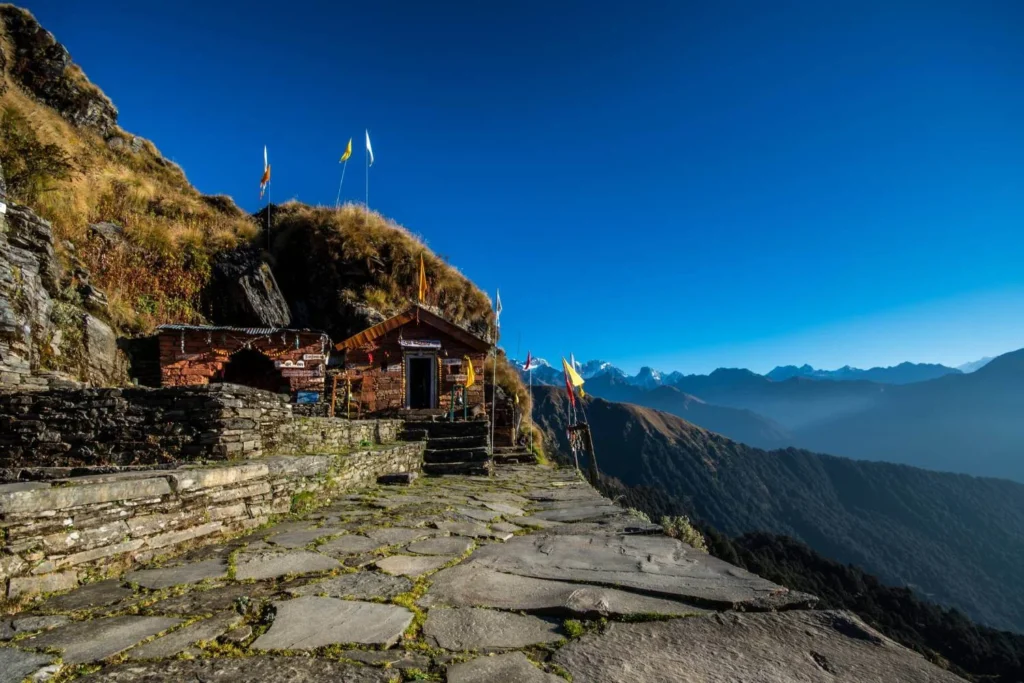
If alpine meadows, mountain flowers, and Himalayan landscapes fascinate you, there are several other unforgettable treks in Uttarakhand besides the Valley of Flowers Trek.
Ali Bedni Bugyal Trek
The Ali Bedni Bugyal Trek is famous for its endless rolling meadows, panoramic Himalayan views, ancient temples, and vibrant grasslands that come alive during the monsoon.
Roopkund Trek
The legendary Roopkund Trek combines alpine meadows, mysterious history, glacial landscapes, and spectacular mountain scenery, making it one of Uttarakhand’s most iconic high-altitude adventures.
Brahmatal Trek
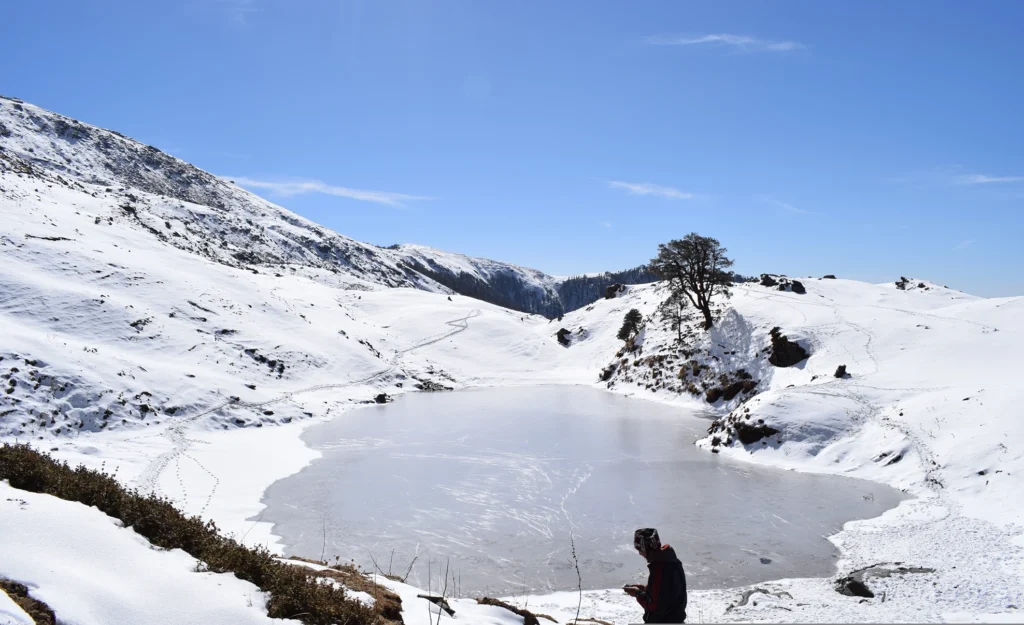
Although renowned as a winter trek, the Brahmatal Trek also showcases beautiful alpine vegetation, pristine forests, and breathtaking Himalayan views during the warmer months.
Kuari Pass Trek
The Kuari Pass Trek offers dense oak forests, rhododendron trails, open bugyals, and panoramic views of towering Himalayan peaks, making it one of the most scenic moderate treks in Uttarakhand.
Conclusion
Some of nature’s greatest wonders exist only for a short time.
The flowers of the Himalayas remind us that beauty does not have to last forever to leave a lasting impression.
For just a few weeks every year, the Valley of Flowers becomes one of the world’s most extraordinary natural spectacles—a place where every bloom has a purpose, every meadow tells a story, and every responsible trekker plays a role in preserving it.
Whether you’re planning the Valley of Flowers Trek, exploring the Ali Bedni Bugyal Trek, dreaming about the Roopkund Trek, enjoying the scenic Kuari Pass Trek, or experiencing the beauty of the Brahmatal Trek, remember that these fragile Himalayan ecosystems deserve our respect as much as our admiration.
Because every flower in the Himalayas has a story.
And every responsible trekker helps protect that story for generations to come.